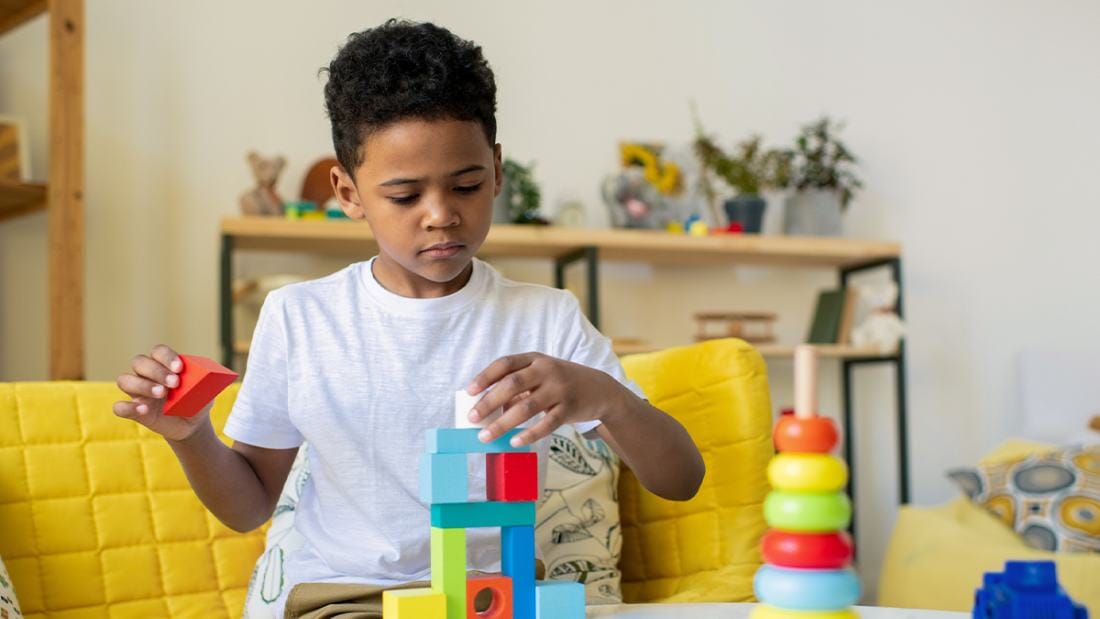
Autism Spectrum Disorder (ASD) is a neurodevelopmental condition that affects communication, social interaction, behaviour, and how a person experiences the world. Every autistic person is different, and support needs can vary significantly from one individual to another.
Established therapies such as speech therapy, occupational therapy, behavioural interventions, and educational support remain central to autism care. At the same time, researchers are studying biological differences that may be present in some people with ASD, including changes in immune activity and inflammatory signalling.
This has led to research into Umbilical Cord-Derived Mesenchymal Stem Cells (UC-MSCs) as a possible supportive approach. The aim is not to cure autism or change a person’s identity. Researchers are investigating whether UC-MSCs could influence inflammation, immune regulation, and other biological processes that may affect brain function in some individuals with ASD.
Why Are Biological Factors Being Studied in Autism?
Autism is complex and cannot be explained by a single biological mechanism. Research has nevertheless identified several areas that may be relevant in some individuals, including immune-system differences and changes in inflammatory activity.
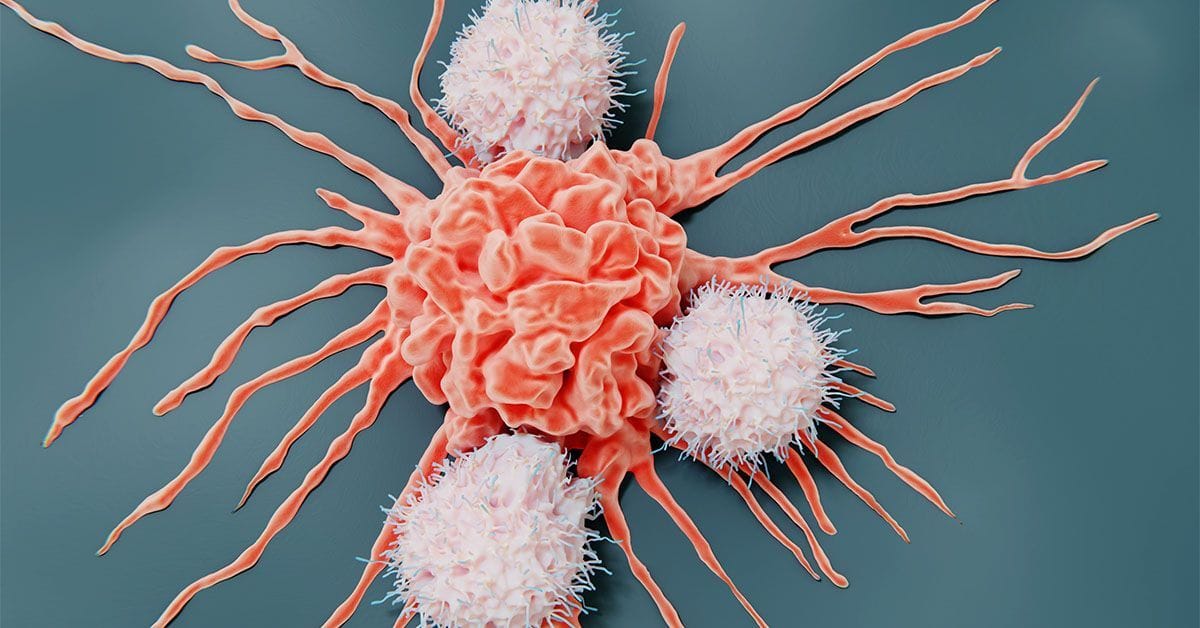
One area receiving attention is neuroinflammation, which refers to inflammatory activity involving the nervous system. Microglia, the immune cells found in the brain, normally help maintain a healthy brain environment. Researchers have reported altered microglial and inflammatory activity in some people with ASD, although these findings do not apply equally to everyone.
Differences in immune regulation have also been studied. Some research suggests that certain individuals with autism may show altered levels of inflammatory cytokines or other immune markers. Blood-flow patterns in specific areas of the brain have also been investigated, but the relationship between these findings and autism symptoms remains complex.
These observations help explain why researchers are interested in therapies that can influence the immune and inflammatory environment.
Why Are UC-MSCs Being Studied?
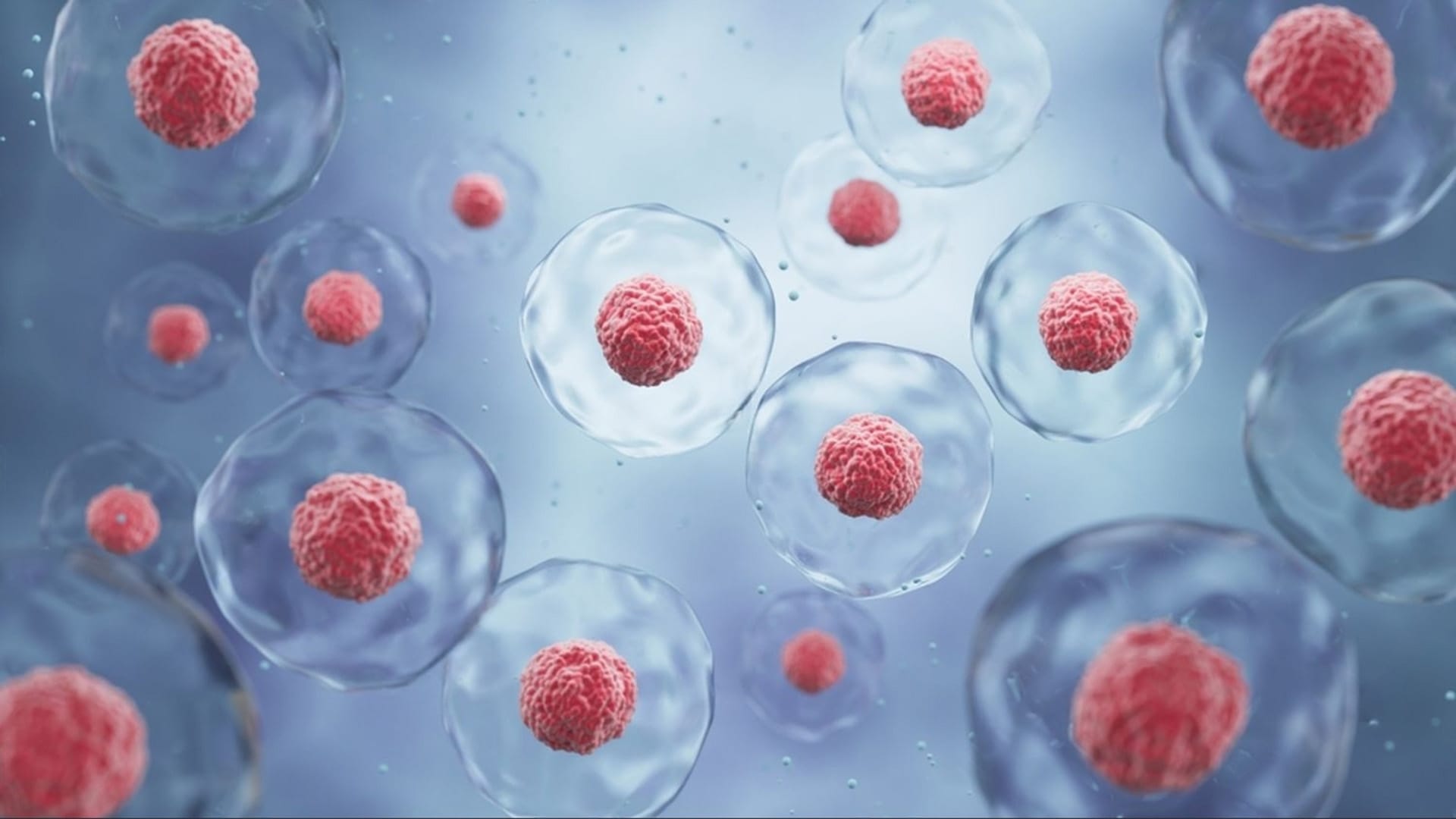
UC-MSCs are obtained from umbilical cord tissue after birth through appropriate donor screening and consent. They belong to a group of cells known as mesenchymal stromal cells and can release growth factors, cytokines, extracellular vesicles, and other biological signals.
Researchers are interested in these signals because they can interact with immune cells and surrounding tissues. Their potential role in autism research is therefore based mainly on immunomodulation and cellular signalling, rather than replacing neurons or changing the genetic or developmental basis of autism.
UC-MSCs can also be prepared as an allogeneic cell source, meaning cells may come from a screened donor. However, the safety of any cell-based treatment depends on how the cells are sourced, processed, tested, stored, and administered.
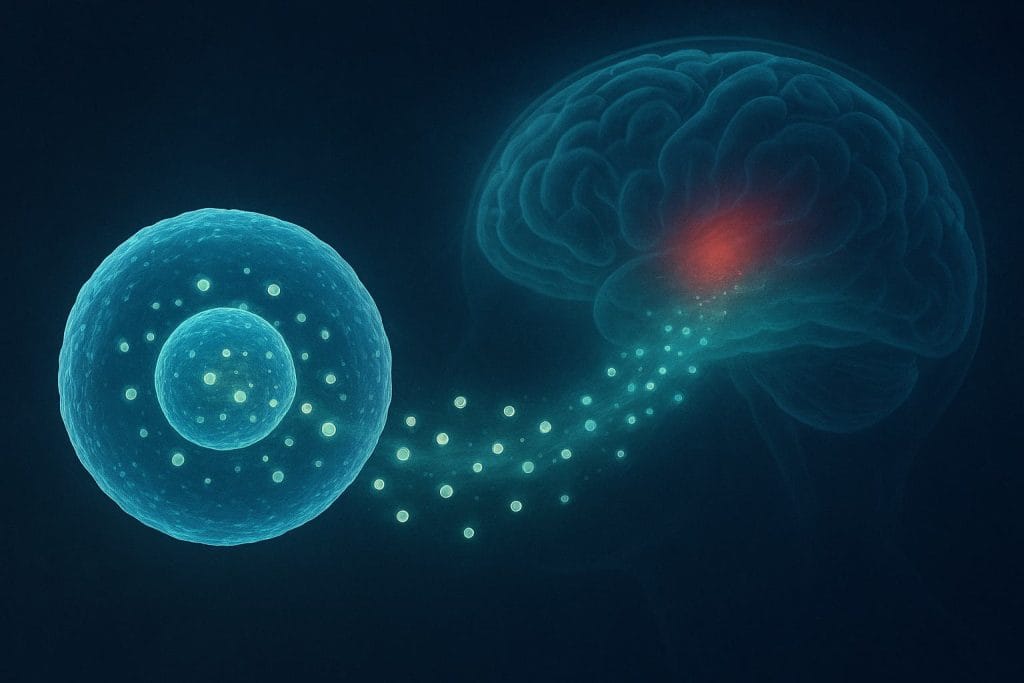
How Could UC-MSCs Provide Support?
Research is examining several biological mechanisms that could potentially be relevant to some people with ASD.
1)Regulating inflammation and immune activity
UC-MSCs release signalling molecules that can interact with different immune cells. Researchers are studying whether these effects can help regulate excessive inflammatory activity and support a more balanced immune response.
This may be relevant to autism research because altered inflammatory signalling has been observed in some individuals with ASD. However, autism is highly diverse, and inflammation should not be considered the cause of autism in every person.
2)Supporting the brain’s cellular environment
UC-MSCs can release neurotrophic and growth-related factors that are involved in cell survival, communication, and tissue support. Researchers are investigating whether these signals could help create a more favourable biological environment for existing brain cells.
MSCs are also being studied for their potential effects on vascular signalling and blood-vessel function. The clinical significance of these mechanisms in autism is still being investigated.
The goal of this research is supportive. It is intended to understand whether changing certain biological conditions could help some individuals respond better to developmental and rehabilitative therapies.
What Does the Clinical Research Show?
Stem cell therapy for autism remains an investigational area. Early Phase I and Phase II studies have mainly focused on safety, feasibility, and possible changes in behavioural or developmental measures.
Some early studies have reported changes in measures related to social interaction, communication, irritability, or adaptive behaviour after cell-based treatment. Standardised tools such as the Aberrant Behavior Checklist (ABC) and other developmental assessments have been used in some trials.
These findings are encouraging enough to support further research, but they should be interpreted carefully. Studies have differed in cell type, dose, administration method, participant age, severity of autism, and follow-up period. Some studies have also been small or lacked strong control groups.
For these reasons, current evidence does not establish UC-MSC therapy as a proven treatment for the core features of autism.
What About Biological Changes After Treatment?
Researchers are also studying biomarkers to understand whether MSC treatment produces measurable biological effects.
Some studies have investigated changes in inflammatory cytokines, growth factors, and other immune markers after treatment. These measurements can help scientists understand how cell therapy may affect the body, even when the relationship between a biomarker and a person’s functional improvement is not yet clear.
This distinction is important. A change in inflammation or another biological marker does not automatically mean that communication, learning, behaviour, or daily function will improve.
Where Does Stem Cell Therapy for Autism Stand Today?
UC-MSC therapy for autism is still being studied and is not an established standard treatment. The available research has provided useful information about feasibility, safety, immune signalling, and possible functional changes, but larger and better-controlled clinical trials are still needed.
Stem cell therapy also does not change the underlying neurodevelopmental nature of autism. Its potential role, if future research confirms meaningful benefits, would be as supportive therapy alongside established developmental and medical care.
Speech therapy, occupational therapy, educational support, behavioural interventions, and appropriate medical care continue to play important roles based on each individual’s needs.
A Developing Area of Regenerative Medicine
Research into autism is becoming increasingly detailed, including studies of genetics, brain development, metabolism, immune regulation, and inflammation. This growing understanding has opened new areas of investigation in regenerative medicine.
UC-MSC research is one part of this wider field. Scientists are examining whether their immunomodulatory and signalling properties can influence biological factors that may affect some people with ASD.
The research remains early, but it provides a basis for continued investigation with realistic expectations. The focus should remain on measurable improvements in health, function, communication, participation, and quality of life rather than attempting to change autism itself.
Considering Regenerative Therapy as Supportive Care
Families considering stem cell therapy should first discuss the individual’s medical history, developmental profile, current therapies, medications, and overall health with qualified medical professionals.
A specialist can explain what is currently known, what remains uncertain, and whether participation in or access to an investigational regenerative approach may be appropriate.
Schedule a Specialist Consultation
Speak with our medical team about current care, developmental needs, and regenerative therapies being studied as supportive options for individuals with Autism Spectrum Disorder.