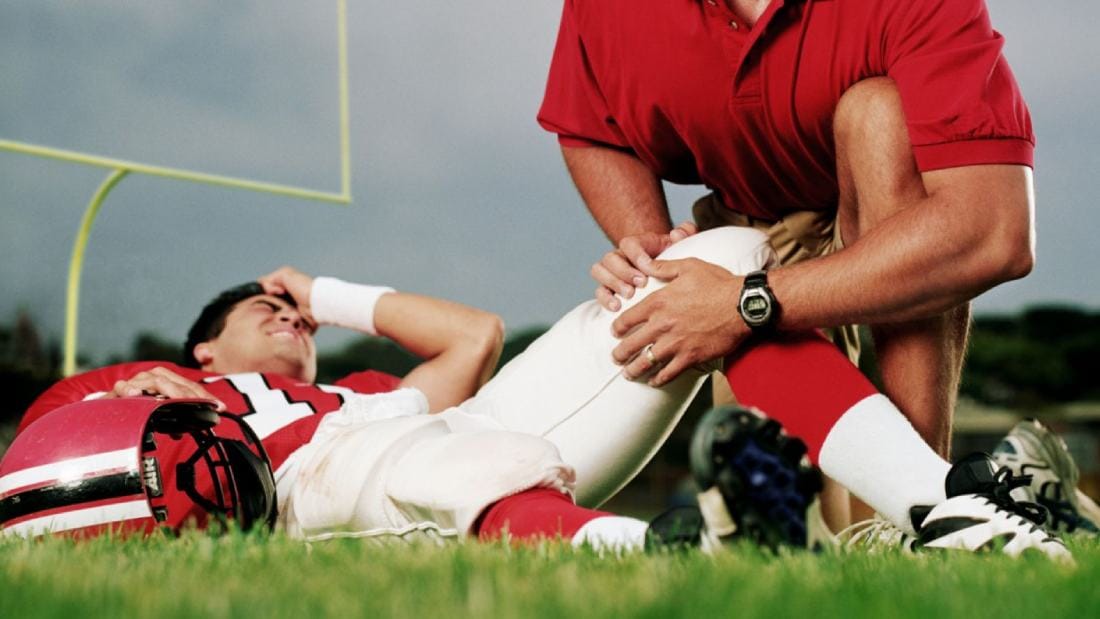


For athletes, consistent training depends on how well the body can recover from repeated physical stress. Hard training places demands on muscles, tendons, ligaments, joints, and other tissues. Over time, repeated strain can contribute to inflammation, injury, and slower recovery.
Rest, physiotherapy, strength training, and other established treatments remain important parts of sports medicine. Regenerative medicine is exploring another approach by looking at what happens at the cellular level during tissue repair.
One area of research involves Umbilical Cord-Derived Mesenchymal Stem Cells (UC-MSCs). These cells are being studied for their ability to influence inflammation and support the body’s natural repair processes.
What Does an Athlete’s Body Need to Recover?
Athletic performance depends on more than muscle strength. Healthy joints, resilient connective tissue, and effective recovery all contribute to an athlete’s ability to train consistently.
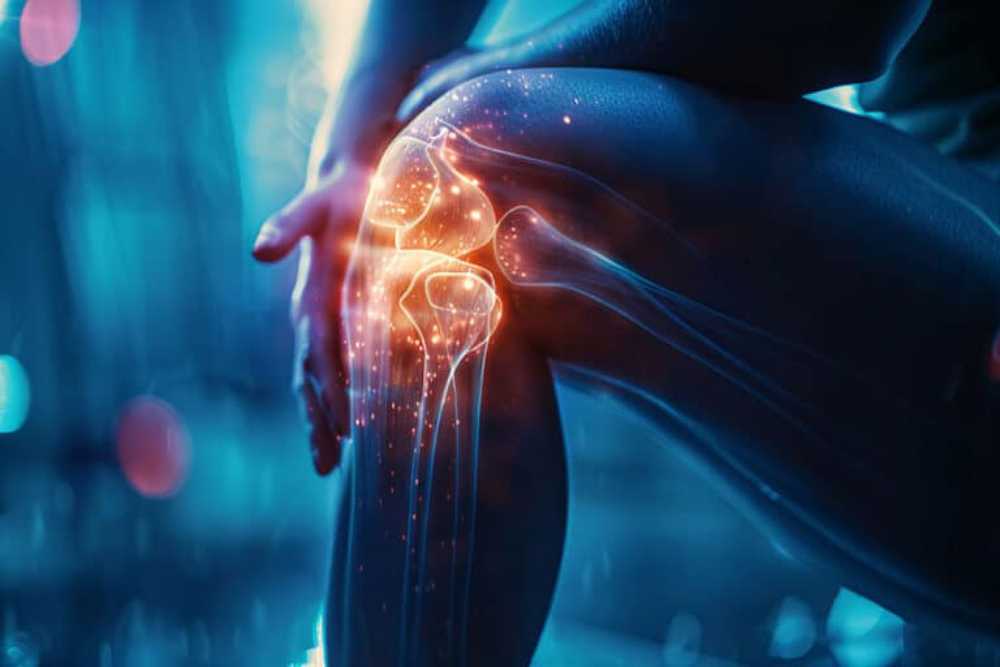
Muscle tissue experiences microscopic damage during demanding exercise and normally repairs itself during recovery. Tendons and ligaments also experience repeated mechanical stress, while cartilage has a more limited ability to repair itself.
When inflammation and tissue damage continue for long periods, recovery can become more difficult. This is particularly relevant for athletes dealing with recurring tendon problems, ligament injuries, or joint degeneration.
Why Are Umbilical Cord MSCs Being Studied?
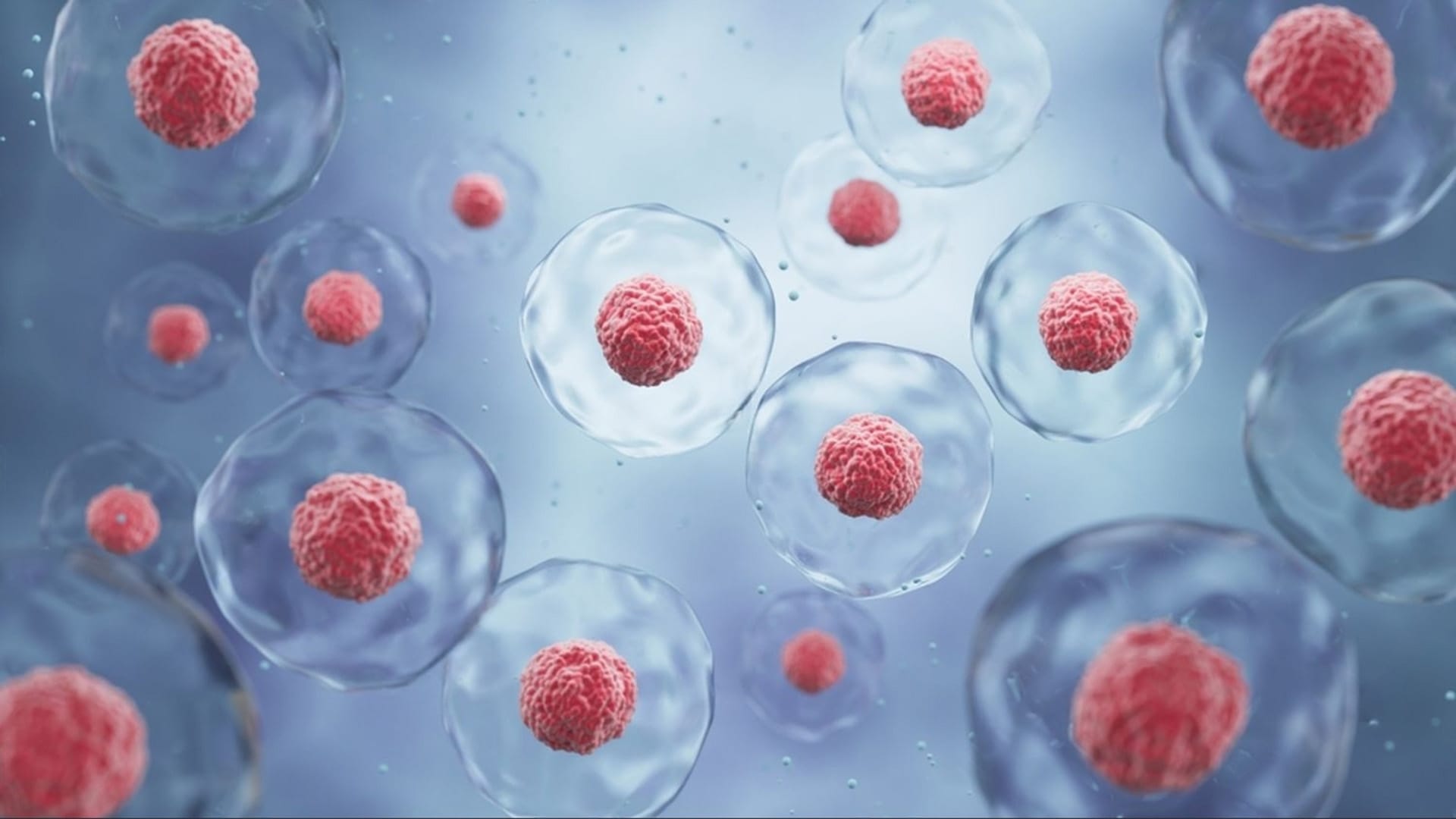
UC-MSCs are obtained from umbilical cord tissue and are being investigated because of their ability to release a range of biological signals.
These signals can interact with immune cells and surrounding tissue. Rather than relying only on the cells becoming new tissue, researchers are interested in how MSCs may influence the environment around an injury and support existing repair mechanisms.
UC-MSCs also provide an allogeneic cell source, meaning the cells can come from a screened donor rather than being collected from the athlete. However, the safety and suitability of any cell-based treatment depend on the specific cells, preparation, dose, route of administration, and clinical protocol.
How Could UC-MSCs Support Recovery?
Research is exploring several potential effects of UC-MSCs in injured or stressed tissue.
Regulating inflammation
UC-MSCs can release signalling molecules that interact with the immune system. Researchers are studying whether these signals can help regulate excessive inflammatory activity and create a more supportive environment for recovery.
This may be relevant for chronic tendon and joint conditions, where ongoing inflammation and tissue stress can interfere with normal healing.
Supporting tissue repair
UC-MSCs release growth factors, extracellular vesicles, and other biological signals that may influence cell survival, tissue repair, blood-vessel formation, and extracellular matrix production.
Researchers are investigating whether these effects can support the repair of tendons, ligaments, cartilage, and other tissues following injury. The goal is to understand how MSCs may work alongside the body’s existing healing mechanisms rather than replacing them.
Where Is Stem Cell Research Being Applied in Sports Medicine?
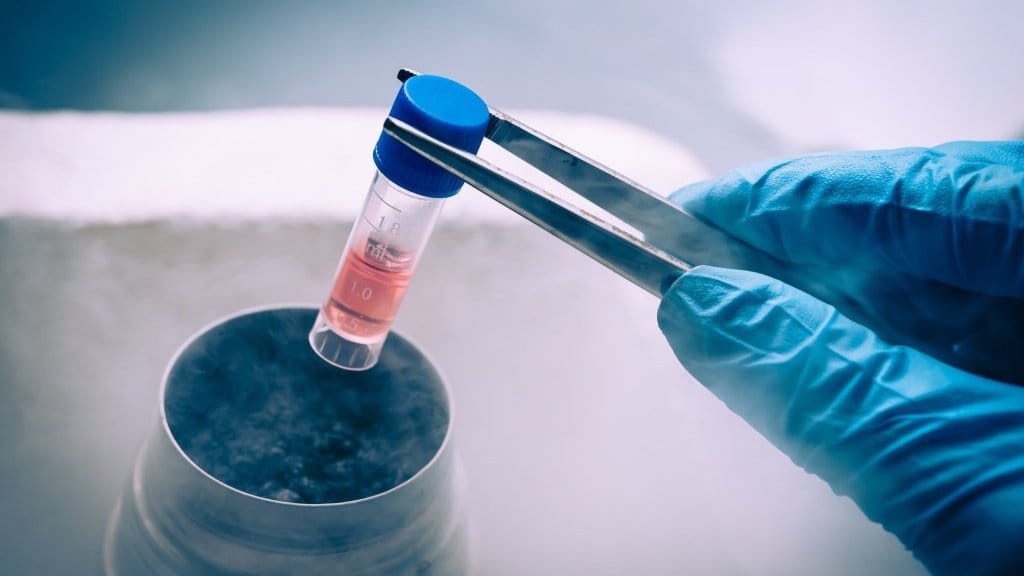
Research has focused on several areas of sports and orthopaedic medicine, particularly conditions that can be difficult to treat.
Tendon and ligament injuries are an important area of study. Conditions involving the Achilles tendon, ACL, and other connective tissues can require lengthy rehabilitation. Researchers are examining whether MSC-based approaches can influence inflammation, collagen organisation, and tissue repair.
Cartilage and joint conditions are another area of interest. Cartilage has limited natural healing capacity, so researchers are investigating whether MSCs can help create a more favourable environment for cartilage preservation and repair.
Muscle injuries are also being studied. Researchers are examining whether MSC-related signalling can influence inflammation and fibrosis while supporting the regeneration of muscle tissue.
What Does the Research Show?
Stem cell research in sports medicine has progressed from laboratory studies into early clinical research. Much of the human evidence has focused on orthopaedic conditions such as tendon disorders, ligament injuries, and joint problems.
Some studies have reported improvements in pain, function, or other measures following MSC treatment. However, results vary between studies. Differences in cell source, treatment dose, preparation, administration method, patient characteristics, and rehabilitation programmes can all affect outcomes.
For this reason, UC-MSC therapy should be viewed as an emerging area of regenerative medicine research. It cannot currently be presented as a guaranteed way to accelerate recovery, prevent injury, or improve athletic performance.
What Does This Mean for Athletic Performance?
The potential value of regenerative medicine in sports is closely connected to recovery and tissue health.
For an athlete, maintaining healthy tendons, ligaments, muscles, and joints can support consistent training over time. If regenerative approaches can help regulate inflammation and support tissue repair, they may eventually have a role alongside established rehabilitation and sports medicine treatments.
The research is still developing. The key questions are which injuries may benefit most, which treatment protocols are appropriate, and whether the biological effects observed in research lead to meaningful improvements in long-term function.
A New Direction in Sports Regenerative Medicine
Athletic performance depends on the ability to train, recover, and maintain healthy tissue over many years. Regenerative medicine is exploring whether cellular signalling can become part of that process.
UC-MSC research is particularly focused on inflammation, tissue repair, and the biological environment surrounding injured tissue. Early findings have encouraged further research, particularly for persistent musculoskeletal conditions that can be difficult to manage with conventional treatment alone.
This does not replace physiotherapy, rehabilitation, strength training, or other established sports medicine approaches. Instead, researchers are investigating how regenerative therapies could potentially complement them.
Considering Regenerative Therapy for Athletic Recovery
Anyone considering stem cell therapy should first have their injury, physical condition, training history, and current treatment assessed by a qualified medical specialist.
The appropriate approach depends on the type and severity of the injury, the tissue involved, previous treatments, imaging findings, and rehabilitation history. A specialist can explain established options and discuss whether a regenerative approach being studied for the specific condition may be appropriate.
If you are interested in learning more about the latest advancements in regenerative medicine for athletic performance and recovery, we invite you to contact us to schedule a consultation with our qualified medical experts.