
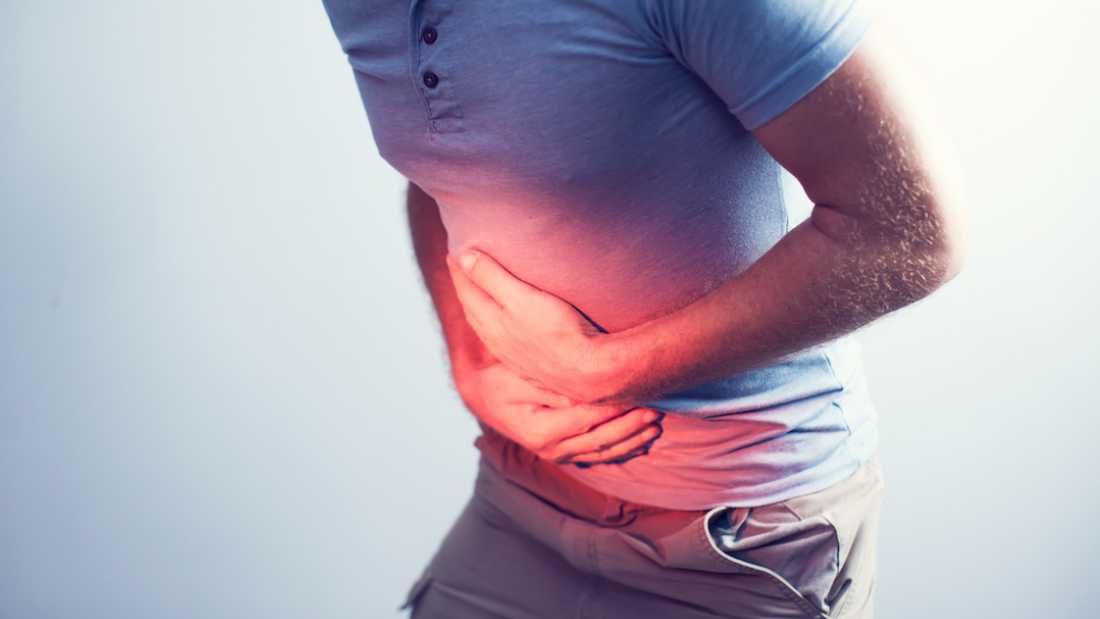
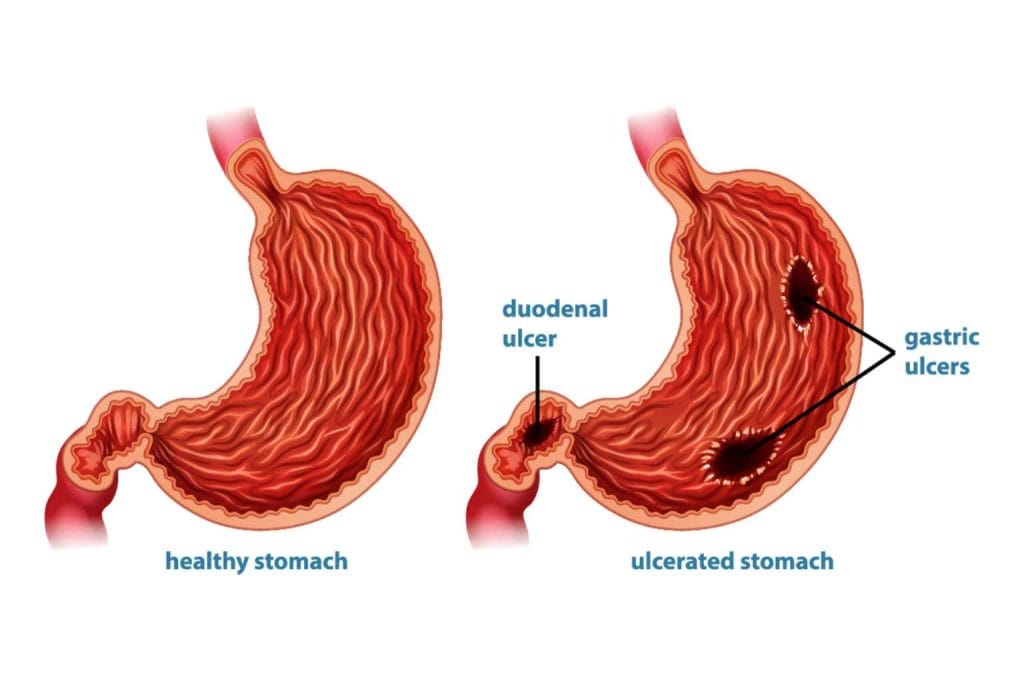
A peptic ulcer is an open sore that develops in the protective lining of the stomach or the upper part of the small intestine, known as the duodenum. The condition can cause pain and discomfort and, in some cases, may become difficult to heal or return repeatedly.
Current treatment commonly includes Proton Pump Inhibitors (PPIs), which reduce stomach acid and give the damaged tissue a better environment for healing. For many people, this approach works well. However, some ulcers remain difficult to heal, particularly when they are deep, chronic, or affected by poor blood supply. This has led researchers to explore regenerative approaches that could support the body’s own tissue-repair processes.
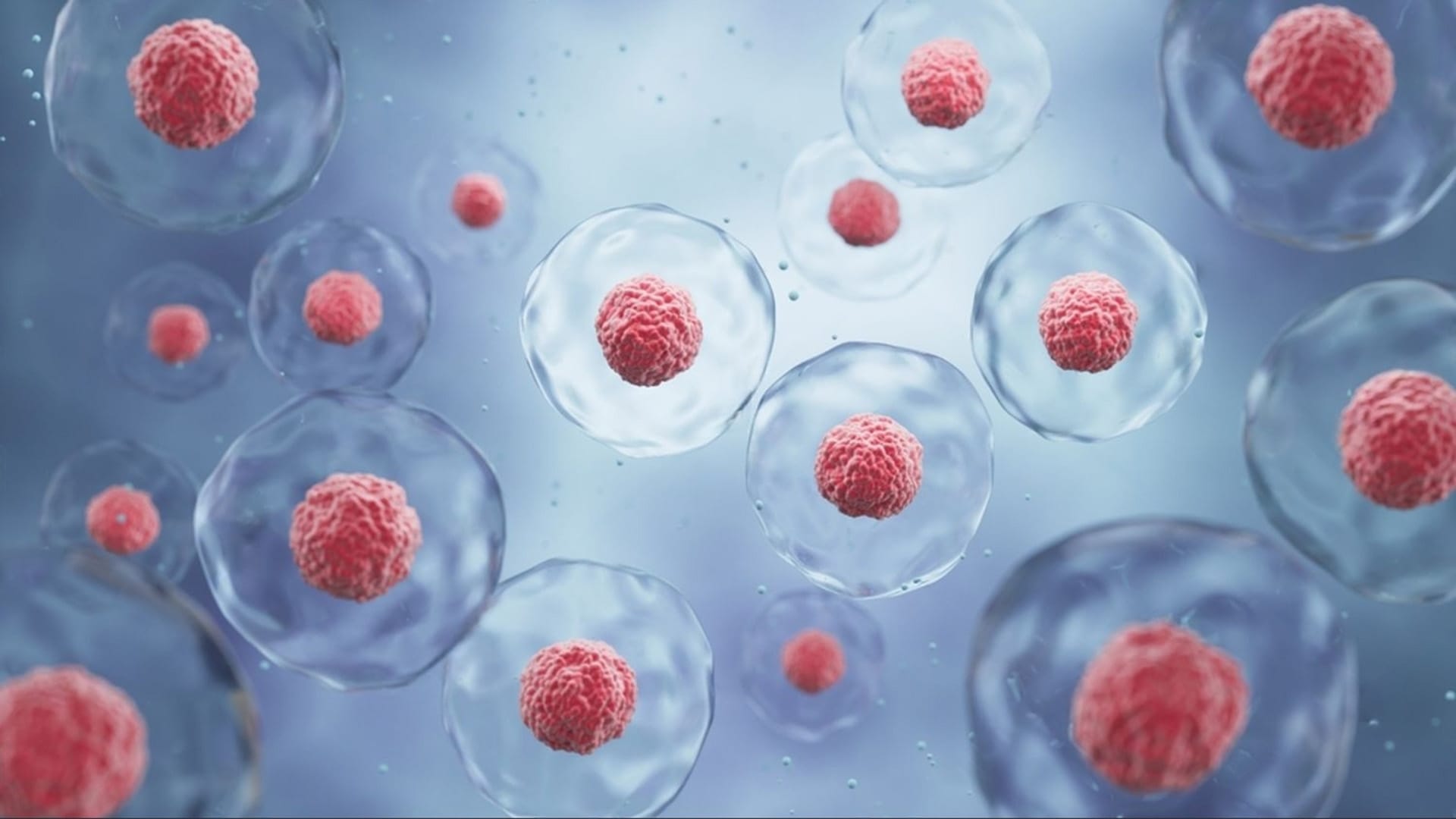
One area being studied is Mesenchymal Stem Cell (MSC) therapy, including Umbilical Cord-Derived Mesenchymal Stem Cells (UC-MSCs).
Why Can Some Peptic Ulcers Be Difficult to Heal?
The stomach and upper digestive tract present a challenging environment for tissue repair. The ulcer area is exposed to stomach acid and digestive enzymes, while deep or chronic ulcers may also have reduced blood flow.
Blood circulation is important because it supplies oxygen, nutrients, growth factors, and cells involved in tissue repair. When blood flow is limited, the damaged area may struggle to rebuild a healthy protective lining.
For chronic ulcers, researchers are therefore interested in approaches that can support new tissue formation while improving the local healing environment.
Why Are Umbilical Cord Stem Cells Being Studied?
UC-MSCs are obtained from umbilical cord tissue, commonly from Wharton’s jelly, after birth. The tissue can be collected through appropriate donor screening and consent.
Researchers are interested in UC-MSCs because they release a variety of biological signals that can interact with surrounding tissue and immune cells. Their potential role in ulcer healing is therefore less about directly becoming new stomach tissue and more about influencing the environment around the wound.
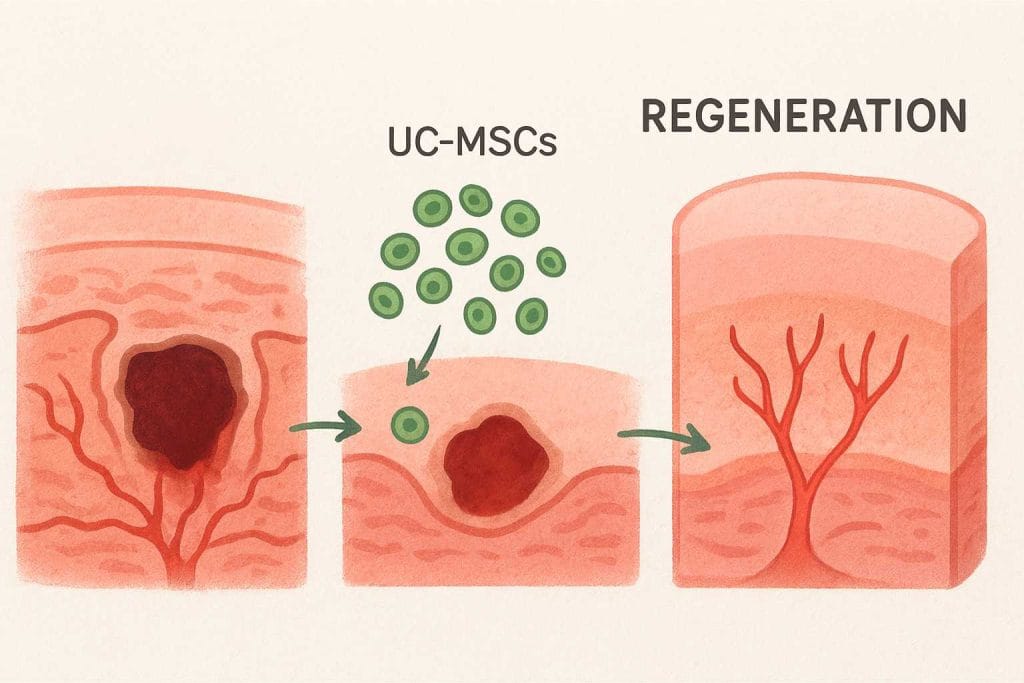
Research has identified three areas of particular interest: supporting new tissue formation, improving blood supply, and regulating inflammation.
How Could UC-MSCs Support Ulcer Healing?
Supporting new tissue formation: UC-MSCs can release paracrine factors that may influence the cells already present in the stomach and intestinal lining. Researchers are studying whether these signals can support epithelialisation, the process through which a new protective surface forms over the ulcer. A stronger mucosal lining can help restore the barrier between stomach acid and the underlying tissue.
Supporting blood supply: UC-MSCs can also release growth factors associated with angiogenesis, the formation of new small blood vessels. Better local circulation may provide damaged tissue with more oxygen and nutrients needed for repair. This is particularly relevant for chronic ulcers where poor blood supply may contribute to delayed healing.
Regulating inflammation: Persistent inflammation can interfere with tissue repair. MSCs can interact with immune cells and release signals that influence inflammatory activity. Researchers are studying whether this can create a more favourable environment for newly formed tissue to survive and mature.
These mechanisms are part of the reason MSC therapy has become an area of interest for difficult-to-heal ulcers.
What Does the Research Show?
Research into stem cell therapy for peptic ulcers is still developing. Laboratory and animal studies have investigated MSCs, including UC-MSCs, and have reported faster ulcer closure and improvements in the quality of repaired tissue compared with some conventional approaches.
Human research has also begun, with early studies focusing mainly on safety and feasibility in patients with refractory ulcers, meaning ulcers that have remained difficult to heal despite conventional treatment.
Because ulcers can be reached through endoscopy, researchers have investigated delivering UC-MSCs directly to the affected area through endoscopic injection. This approach is designed to place the cells close to the damaged tissue rather than relying entirely on systemic delivery. Early observations have reported reductions in ulcer size and pain in some patients, although larger studies are needed to determine how consistent these effects are.
Where Does Stem Cell Therapy for Peptic Ulcers Stand Today?
Stem cell therapy for peptic ulcers is an emerging area of regenerative medicine research. Early laboratory and clinical findings have provided encouraging signals, particularly for ulcers that remain difficult to heal with conventional treatment.
However, the available human evidence is still limited. Researchers continue to study the appropriate cell source, dose, delivery method, treatment schedule, and long-term outcomes. This means UC-MSC therapy should currently be viewed as an investigational approach rather than an established replacement for standard ulcer treatment.
The research remains meaningful because it explores a different aspect of ulcer treatment. Instead of focusing only on reducing acid, researchers are also studying how to support the biological processes involved in tissue repair.
A New Direction for Digestive Health
Peptic ulcers can usually be managed effectively with appropriate medical treatment, but chronic and refractory ulcers can present a greater challenge. Regenerative medicine offers researchers another way to study the problem by focusing on tissue repair, blood supply, and inflammation.
UC-MSCs are being investigated because their biological signals may support several parts of the healing process at the same time. The aim is to understand whether these effects can translate into faster and more reliable healing for patients whose ulcers remain difficult to treat.
The research is still developing, but early studies provide a basis for continued investigation into stem cell therapy for chronic and refractory peptic ulcers.
Considering Regenerative Therapy for Peptic Ulcers
Anyone considering stem cell therapy for a peptic ulcer should first have the cause, location, severity, and healing progress of the ulcer reviewed by a qualified specialist.
Conventional treatment remains important, particularly for identifying and treating factors that may be contributing to the ulcer. For patients with ulcers that remain difficult to heal, a specialist can explain the available treatment options and whether regenerative approaches being studied for chronic ulcers may be relevant.
Ready to Explore Advanced Digestive Health Options?
If you or a loved one is inspired by the potential of regenerative medicine for chronic digestive issues, the most crucial next step is to partner with trusted, specialized medical experts.
Schedule a Specialist Consultation: Do not make a medical decision based on articles alone. Speak directly with a certified doctor who specializes in advanced endoscopy and regenerative treatments to review your current diagnosis and discuss your full range of options.