A stroke interrupts the brain’s blood supply and can affect movement, speech, memory, vision and independence. Emergency treatment aims to restore blood flow or control bleeding. Once the person is medically stable, rehabilitation helps the brain recover function and adapt to the injury.
Recovery varies widely. The location and severity of the stroke matter, as do the person’s health, the timing of treatment and access to rehabilitation. Researchers are studying umbilical cord-derived mesenchymal stromal cells, commonly called UC-MSCs, as a possible way to support the biological processes involved in brain repair.
The aim is to improve the conditions for recovery. UC-MSCs are being studied alongside physiotherapy, occupational therapy, speech therapy and other recognised forms of stroke care.
What Happens in the Brain During a Stroke
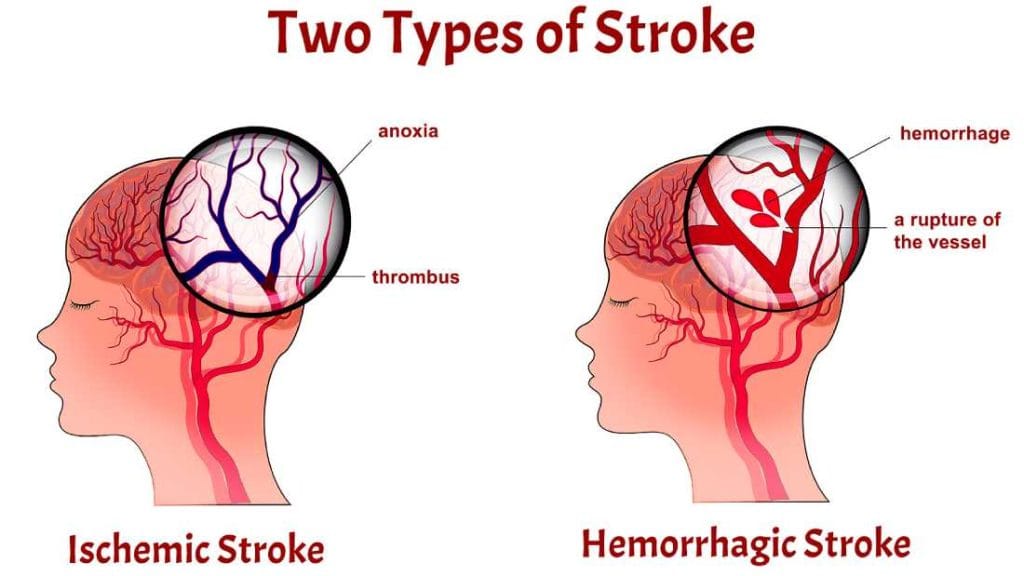
An ischaemic stroke occurs when a clot blocks an artery in the brain. A haemorrhagic stroke occurs when a blood vessel ruptures and causes bleeding. Both are medical emergencies.
Brain cells depend on a constant supply of oxygen and nutrients. When that supply is interrupted, cells within the centre of the affected area can die quickly. Tissue around this area may remain vulnerable for longer and can sometimes be protected through prompt medical treatment.
The effects continue after the initial event. Immune activity, inflammation, damage to small blood vessels and changes in the surrounding tissue can influence later recovery. The brain also begins to reorganise its connections, a process known as neuroplasticity.
If someone develops sudden facial weakness, arm weakness, speech difficulty, loss of balance or an unusually severe headache, seek emergency medical care immediately. Regenerative treatment does not replace urgent stroke treatment.
Why Researchers Study UC-MSCs
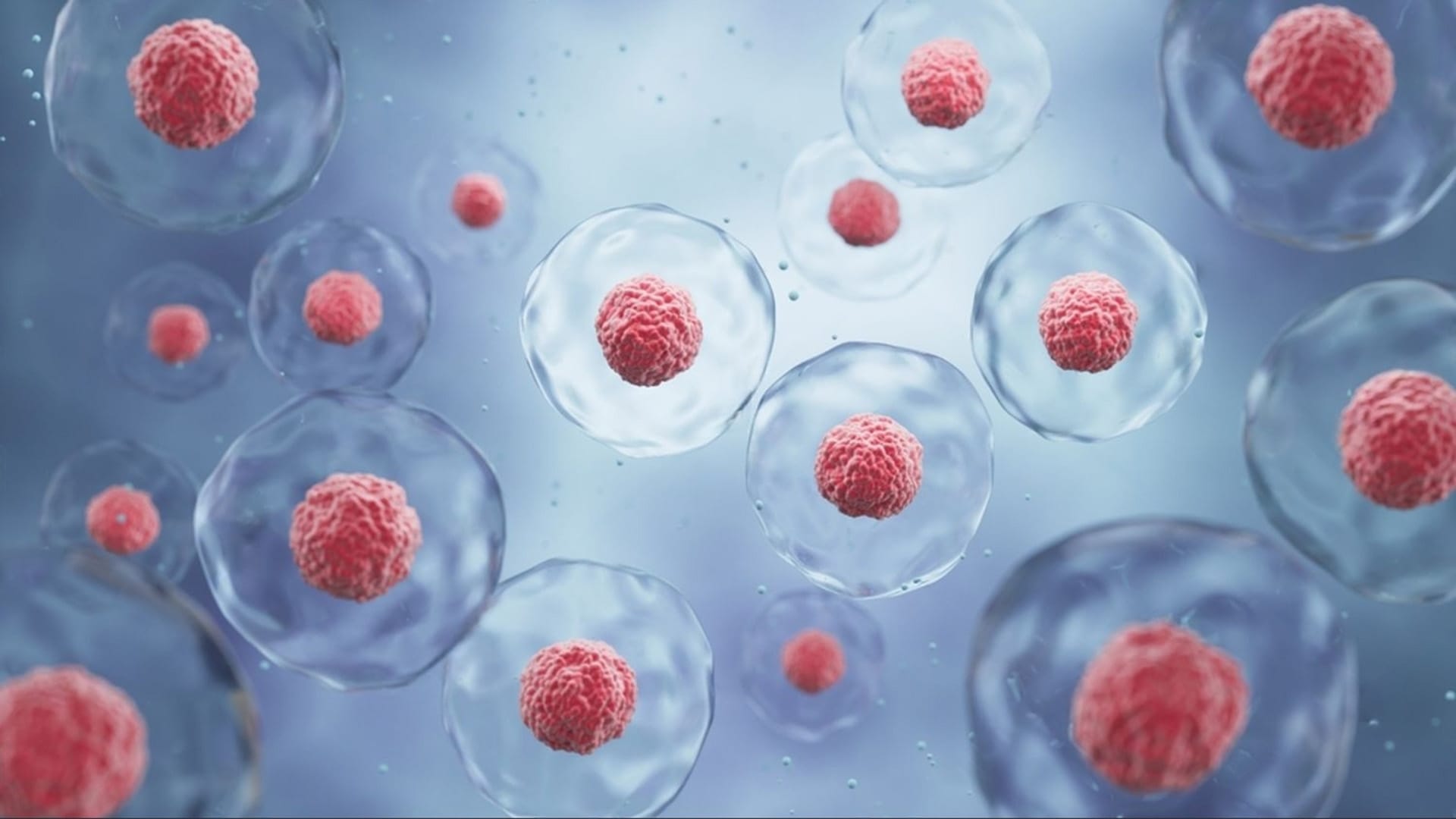
How does the body fight back? Scientists are using a special “repair kit” that is ethically sourced and incredibly powerful: UC-MSCs are obtained from umbilical cord tissue donated with informed consent after a healthy birth. Collection does not involve an embryo or interfere with the delivery.
These cells can be expanded under controlled laboratory conditions. They release cytokines, growth factors and extracellular vesicles that may influence inflammation, cell survival, blood-vessel formation and tissue repair.
UC-MSCs tend to provoke a lower immune response than some other transplanted cells. This characteristic allows donor-derived cells to be studied, although careful donor screening, laboratory processing and quality control remain necessary.
Researchers are interested mainly in the signals these cells release. Current evidence does not suggest that large numbers of infused UC-MSCs settle in the brain and directly replace the neurons lost during a stroke.
How UC-MSCs May Support Recovery
Stroke repair involves several connected processes. UC-MSC research examines how cell-derived signals may influence each one.
1. Regulating Inflammation
Inflammation is part of the body’s response to brain injury. It helps clear damaged tissue, but excessive or prolonged activity can place nearby cells under further stress.
UC-MSCs release substances that may regulate immune activity and support a more balanced inflammatory response. This could help create conditions that favour tissue preservation and repair.
2. Supporting Vulnerable Brain Cells
Cells surrounding the main injury may experience low oxygen, oxidative stress and disrupted chemical signals. Laboratory studies suggest that factors released by MSCs can support cell-survival pathways.
Researchers are assessing whether this neuroprotective effect can preserve useful brain networks and contribute to better functional recovery.
3. Encouraging Blood-Vessel Repair
Healthy circulation is important for recovering brain tissue. UC-MSCs can release factors associated with angiogenesis, the formation of new blood vessels.
Improved small-vessel growth and function may help deliver oxygen and nutrients to areas involved in repair. Clinical studies need to determine how strongly this effect occurs in people and how it relates to improvements in daily function.
4. Supporting Neuroplasticity
After a stroke, surviving areas of the brain can form and strengthen connections that help compensate for damaged pathways. Repeated rehabilitation exercises encourage this process.
MSC-derived signals may support nerve growth, communication between neurons and the formation of new connections. This is one reason regenerative treatment is studied in combination with rehabilitation. Biological support and focused practice may complement each other.
What Clinical Studies Measure
Early clinical trials have helped researchers assess how stem-cell-based treatments can be administered to people after a stroke. Under controlled study conditions, treatments have generally been tolerated by participants. Ongoing follow-up remains important because cell source, dose, delivery method and timing differ between protocols.
Some studies have reported changes in movement, independence and standard stroke assessment scores after MSC treatment. These findings provide a basis for larger trials designed to identify which patients may benefit and how much of the improvement is attributable to the treatment.
Researchers commonly use measures such as the National Institutes of Health Stroke Scale, modified Rankin Scale and Barthel Index. They may also assess walking, upper-limb movement, speech, cognition and quality of life. These outcomes show whether a change is meaningful in everyday life.
Timing and Patient Selection
Stroke recovery changes over time. Treatment during the early period may focus on protecting vulnerable tissue, while treatment later in recovery may aim to support neuroplasticity and rehabilitation.
The appropriate approach depends on the type of stroke, time since the event, current disability, medical stability and other health conditions. Brain imaging and a detailed neurological assessment help the medical team understand the injury and set suitable goals.
There is no single protocol for every stroke survivor. A responsible treatment plan should explain the cell product, dose, method of administration, rehabilitation programme and follow-up schedule.
Combining Regenerative Care with Rehabilitation
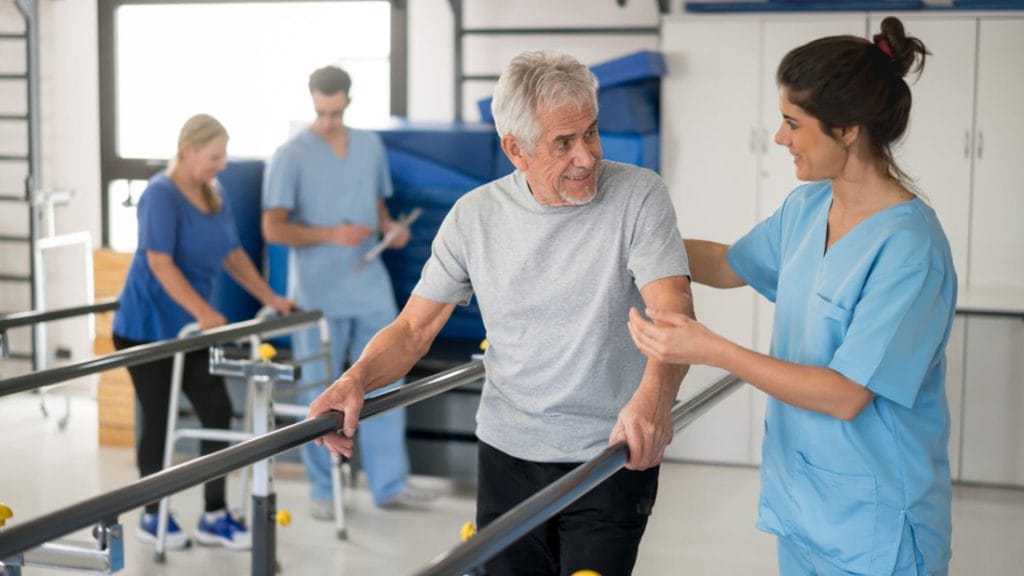
Rehabilitation remains central to stroke recovery. Physiotherapy works on strength, balance and movement. Occupational therapy supports daily activities, while speech and language therapy addresses communication and swallowing. Psychological and cognitive support may also be needed.
UC-MSC therapy is being explored as an addition to this work. It cannot recreate the time before the stroke, but it may support an environment in which the brain can respond more effectively to rehabilitation.
Progress may appear as a steadier step, better use of an arm, clearer speech or greater independence with daily tasks. Goals should reflect the person’s starting point and be reviewed with objective assessments.
A medical review can help determine which recovery options fit the type of stroke, current symptoms and rehabilitation history. It also gives patients and families a clear view of the proposed protocol and the evidence behind it.
Book a private consultation with our medical team to discuss neurological assessment, rehabilitation and regenerative options relevant to your recovery.