

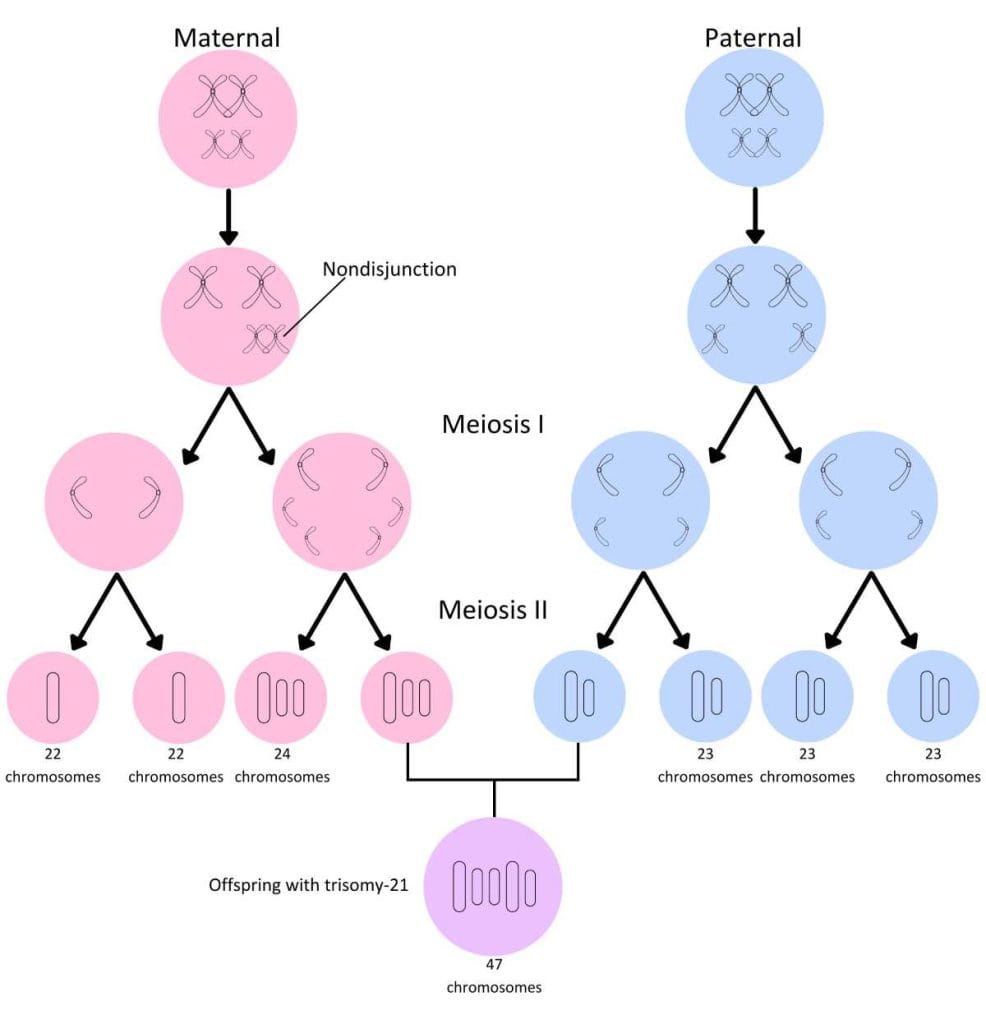
Down syndrome is a lifelong genetic condition caused by an extra copy of chromosome 21. This genetic difference can affect development, learning, movement and several body systems. Every person with Down syndrome is different, but some may also have a higher risk of heart conditions, thyroid problems, immune-system changes and developmental delays.
Stem cell therapy cannot remove the extra chromosome or change the genetic cause of Down syndrome. Current research is instead looking at whether Umbilical Cord-Derived Mesenchymal Stem Cells (UC-MSCs) could support some of the secondary biological challenges associated with the condition, particularly inflammation, immune regulation and the environment surrounding brain cells.
Why Are UC-MSCs Being Studied?
UC-MSCs are mesenchymal stromal cells obtained from umbilical cord tissue after birth. Researchers are interested in them because they release growth factors, cytokines and other biological signals that can communicate with surrounding cells and influence immune activity.
Their potential role in Down syndrome is therefore supportive rather than genetic. UC-MSCs do not alter chromosome 21. Research is focused on whether the signals they release can help regulate inflammation and create a healthier environment for cells that are already present.
How Could UC-MSCs Provide Support?
Research is exploring several mechanisms that may be relevant to some of the biological challenges seen in Down syndrome.
Inflammation, brain support and immune regulation
People with Down syndrome can show changes in inflammatory and immune activity. UC-MSCs release signals that may influence these responses, and researchers are studying whether this could help reduce excessive inflammation.
UC-MSCs also release neurotrophic factors, including molecules such as Brain-Derived Neurotrophic Factor or BDNF. These factors are involved in neuronal survival and communication between brain cells. Researchers are examining whether this type of signalling can support the brain’s cellular environment during development.
Another area of interest is immune modulation. Down syndrome can involve differences in immune function, and MSCs are being studied for their ability to influence immune-cell behaviour and help regulate abnormal inflammatory responses.
These mechanisms provide a scientific reason for continued research, but they do not mean that UC-MSC therapy can change the underlying genetic condition.
What Does the Research Show?
Research into stem cell therapy for Down syndrome is still at an early stage. The source describes Phase I and Phase II research focusing mainly on two questions: whether UC-MSC therapy can be administered safely and whether there are early signs of functional benefit.
Early reports have described possible changes in areas such as motor development, social interaction and adaptive behaviour in some participants. These observations are preliminary and do not yet establish how much benefit UC-MSC therapy may provide or which individuals are most likely to respond.
The research therefore remains exploratory. Larger, well-controlled studies are needed to understand the clinical significance of these early findings and whether any effects are consistent over time.
Where Does Stem Cell Therapy for Down Syndrome Stand Today?
Stem cell therapy for Down syndrome remains an investigational area and is not a standard treatment. It cannot correct Trisomy 21 or replace established developmental, medical and rehabilitative care.
The potential value of UC-MSC research lies in supportive care. Scientists are studying whether these cells can influence inflammation, immune balance and neurotrophic signalling in ways that may complement existing therapies.
For families, this provides a reason to follow the research with realistic expectations. The goal is to understand whether regenerative medicine can support function and quality of life while recognising that Down syndrome itself remains a lifelong genetic condition.
A Developing Area of Regenerative Medicine
Research into Down syndrome has increasingly looked beyond the extra chromosome itself and towards the biological changes that accompany it. Inflammation, immune function and brain development are among the areas being studied.
UC-MSCs offer researchers another way to investigate these processes because of the signals they release and their interaction with immune and surrounding cells. Early findings support continued study, but more clinical evidence is needed before their role in routine care can be defined.
For people with Down syndrome, supportive therapies should continue to focus on individual needs, development, health monitoring and quality of life. Regenerative medicine may eventually add another option to that broader approach if future research confirms meaningful benefits.
Considering Regenerative Therapy as Supportive Care
Anyone considering stem cell therapy for Down syndrome should first discuss the individual’s medical history, developmental needs, current therapies and overall health with a qualified specialist.
A medical consultation can help families understand the current evidence, what remains uncertain, and whether any regenerative approach being studied may be relevant as supportive care.
To learn more about current research, potential benefits, and whether regenerative therapy may be suitable as supportive care, we invite you to contact our medical team for a professional consultation.