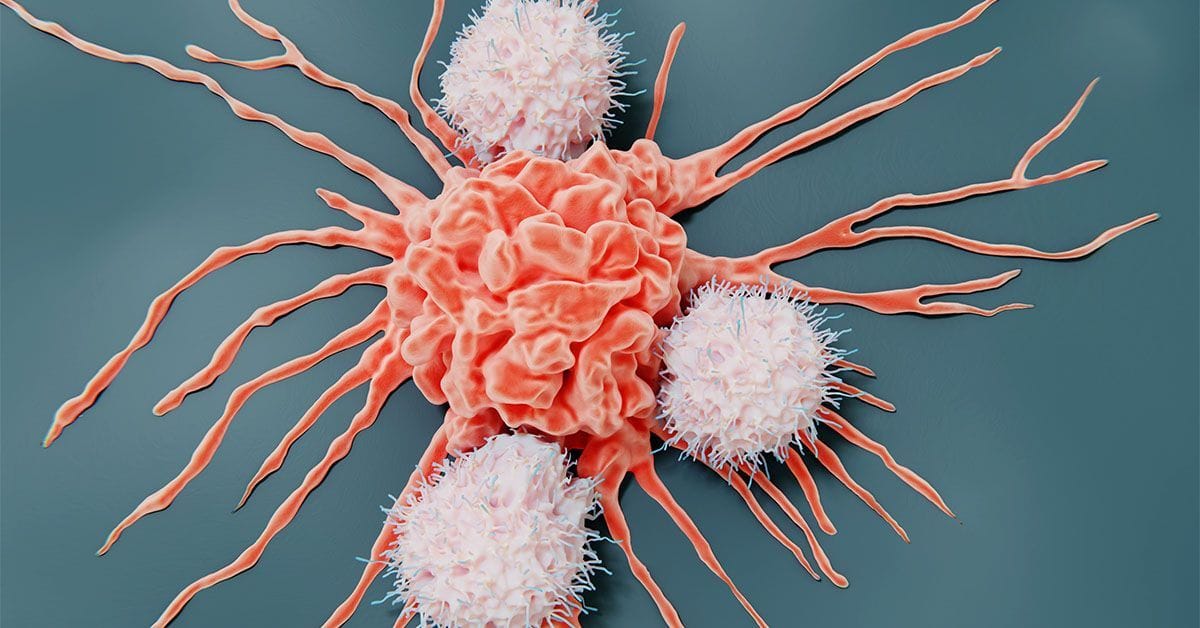


Obesity is a chronic condition shaped by metabolism, hormones, inflammation, genetics and the surrounding environment. Calorie intake and physical activity matter, but they do not explain every case or determine how each person responds to treatment.
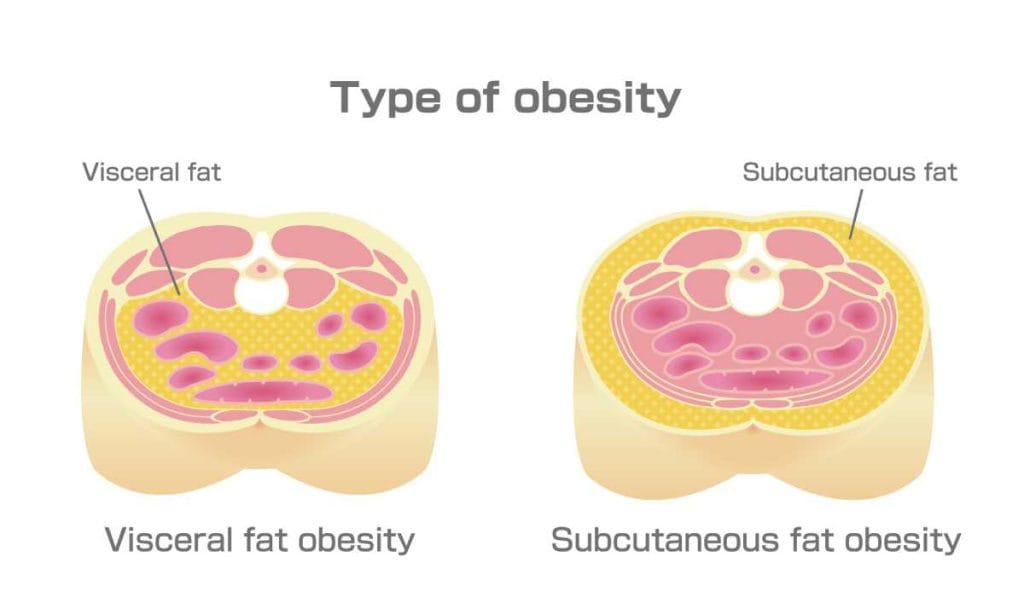
As fat tissue expands, it can become stressed and inflamed. This may disrupt insulin signalling and increase the risk of type 2 diabetes, fatty liver disease and cardiovascular problems.
Researchers are studying umbilical cord-derived mesenchymal stromal cells, commonly called UC-MSCs, for their effects on inflammation and metabolic function. The aim is to support a healthier internal environment alongside established weight-management care.
How Fat Tissue Affects Metabolic Health
Fat tissue is an active endocrine organ. It stores energy and releases hormones that communicate with the brain, liver, muscles and immune system.
Fat Cell Expansion
Fat cells enlarge as they store more energy. If this continues, the tissue may outgrow its blood supply and lose some of its normal function. Stressed or damaged fat cells then release signals that attract immune cells.
Persistent Inflammation
Macrophages are immune cells that help clear damaged tissue. In obesity, they can remain active within fat tissue and contribute to persistent low-grade inflammation.
This activity changes the hormones and signalling molecules released by fat cells. The effects can spread beyond the tissue itself and influence metabolic health throughout the body.
Insulin Resistance
Inflammatory signals can interfere with the way cells respond to insulin. The pancreas may compensate by producing more of the hormone. Over time, blood glucose can rise and the risk of type 2 diabetes may increase.
This connection between fat tissue, inflammation and insulin response has created a new area of regenerative research.
Why Researchers Study UC-MSCs
Regenerative therapy for obesity focuses on restoring the function of the metabolic system, primarily by repairing the UC-MSCs are obtained from donated umbilical cord tissue after a healthy birth and with informed consent. The collection process does not involve an embryo or interfere with the birth.
These cells can be expanded under controlled laboratory conditions. Their main area of interest lies in the signalling molecules they release. These molecules may influence immune activity, inflammation and tissue repair.
UC-MSCs also tend to provoke a lower immune response than some other transplanted cells, which allows researchers to study donor-derived treatment. Careful donor screening, laboratory processing and quality testing remain essential.
The relative youth of these cells and their ability to multiply make them practical for regenerative research. Their suitability for a patient depends on medical history, current health and the treatment protocol.
A Metabolic Support Approach
Research into UC-MSCs for obesity centres on improving metabolic function. Two areas have received particular attention.
Supporting a Healthier Inflammatory Response
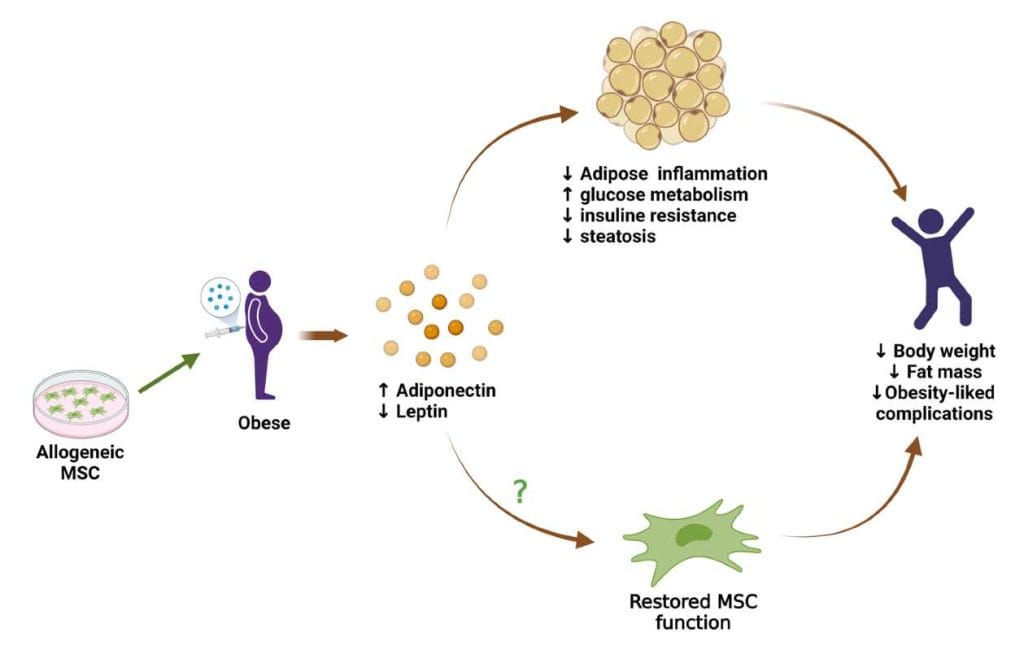
UC-MSCs release cytokines, growth factors and other signalling molecules. Early research suggests that these substances may help regulate immune activity and reduce inflammatory signalling.
A healthier inflammatory response could support insulin sensitivity in the liver, muscles and fat tissue. Researchers assess this through measures such as fasting glucose, insulin levels, HOMA-IR, lipid profiles and C-reactive protein.
The intended outcome is better metabolic health. Changes in body weight may depend on nutrition, activity, medication, hormonal health and other parts of a personalised treatment plan.
Research into Energy-Burning Fat
The body contains several forms of fat tissue. White fat stores energy. Brown fat uses energy to generate heat. Beige fat cells can develop some of the energy-burning properties associated with brown fat.
Laboratory and animal studies are examining whether signals associated with MSCs can encourage this process, known as browning. The research has identified an interesting route for influencing energy use at a cellular level.
Researchers are now working to understand how these findings may apply to people. This includes identifying an effective cell preparation, dose and treatment schedule, then measuring whether the cellular changes produce a meaningful clinical benefit.
Areas of Clinical Interest
The value of a metabolic treatment is assessed through specific health measures. Current research is interested in several outcomes.
Insulin Sensitivity
Improved insulin sensitivity allows cells to use glucose more effectively. Studies may track fasting insulin, fasting glucose, HbA1c and HOMA-IR to measure changes over time.
Liver Health
Obesity and insulin resistance are closely linked with metabolic dysfunction-associated steatotic liver disease, previously known as non-alcoholic fatty liver disease. Researchers are examining whether changes in inflammation and insulin response can support healthier liver markers.
Signals Released by Fat Tissue
Fat cells release hormones called adipokines. Their balance can change as fat tissue becomes inflamed. Measuring these hormones helps researchers understand how a therapy may affect the function of fat tissue.
Cardiovascular Risk
Blood glucose, blood pressure, cholesterol and inflammation all contribute to cardiovascular risk. Improving these measures can form part of a wider plan to protect long-term health.
Progress in UC-MSC Research
Studies of MSC-based therapies have built a useful foundation for understanding their safety and biological activity. Under controlled clinical conditions, infusions have generally been tolerated by study participants. Researchers have also reported changes in inflammatory and metabolic markers in some patient groups.
Obesity-specific evidence is growing from a smaller base. Much of the work on fat browning comes from laboratory and animal studies, while human research continues to define the clinical effect. This progress gives researchers clear questions to test and measurable outcomes to follow.
Each treatment protocol can differ in cell source, manufacturing process, dose and follow-up. A medical team should review those details and explain how the proposed treatment fits the available evidence.
Building a Broader Weight-Management Plan
UC-MSC therapy is being explored as a way to support metabolic health. It works best as part of a wider medical plan that may include nutrition, physical activity, sleep support, medication and treatment for related conditions.
This approach recognises the biological pressures that can make weight management difficult. By focusing on inflammatory and metabolic function, regenerative research may add another option for people dealing with insulin resistance or other obesity-related health concerns.
A consultation allows the medical team to review your health, discuss suitable tests and set realistic goals. It also gives you the opportunity to understand the treatment protocol and the evidence behind it.
Discuss Your Metabolic Health
If obesity, insulin resistance or chronic inflammation is affecting your health, a personalised assessment can help identify the next appropriate step.
Book a complimentary private consultation with our regenerative medicine team to discuss your medical history, metabolic markers and suitability for available treatment options.