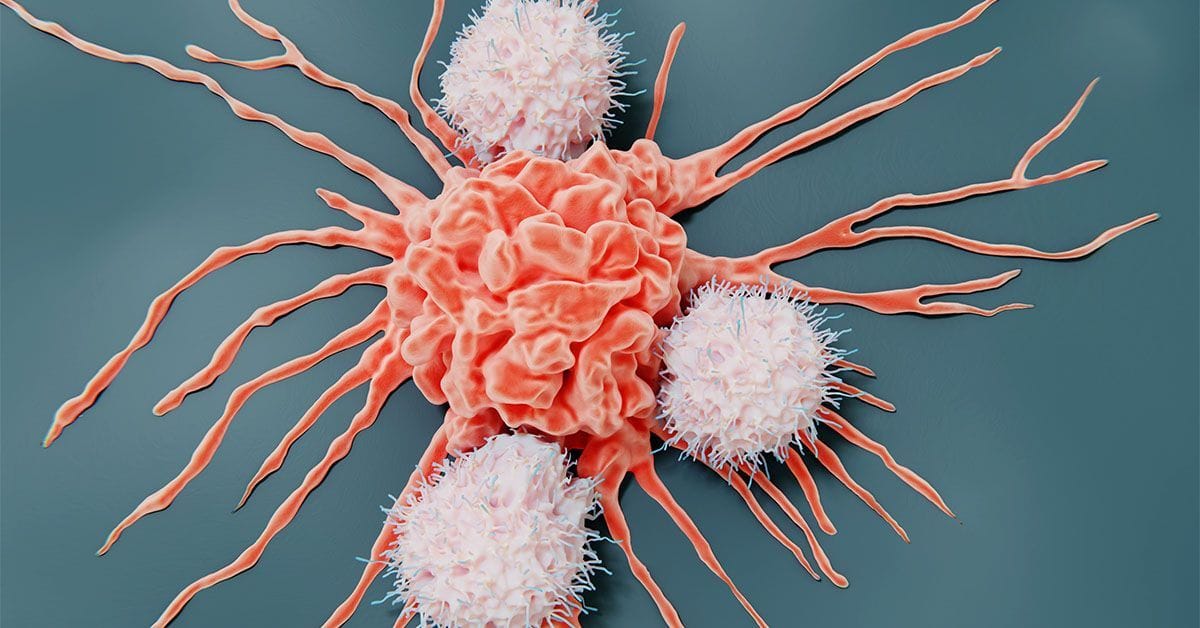

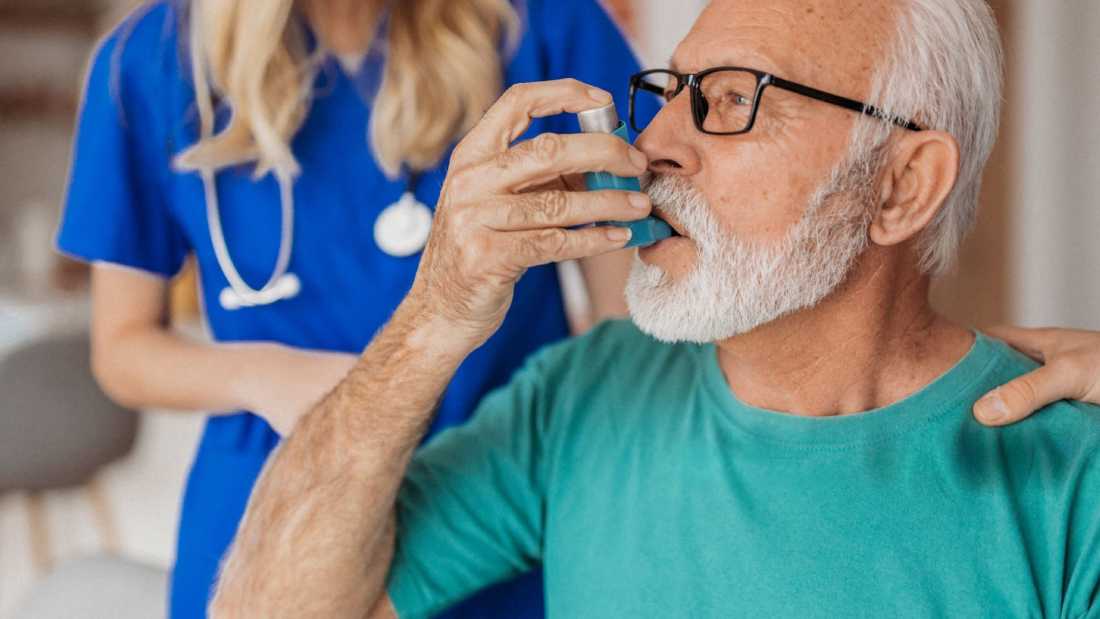
Chronic Obstructive Pulmonary Disease, or COPD, is a long-term lung condition that makes it increasingly difficult to breathe. It commonly includes chronic bronchitis, emphysema, or a combination of both, and can have a major impact on mobility, energy levels, and everyday life.
Current COPD treatments include bronchodilators, inhaled medicines, pulmonary rehabilitation, oxygen therapy for selected patients, and other treatments based on disease severity. These approaches can improve symptoms, reduce exacerbations, and help patients remain active, but damage that has already occurred in the lung tissue is difficult to reverse.
This is one reason regenerative medicine has become an area of research in COPD. Mesenchymal Stem Cells, including Umbilical Cord-Derived Mesenchymal Stem Cells or UC-MSCs, are being studied for their effects on inflammation, immune regulation, and tissue-supporting signals.
The aim of this research is to understand whether these biological effects could help protect remaining lung tissue and support better respiratory function over time.
What Happens Inside the Lungs in COPD?
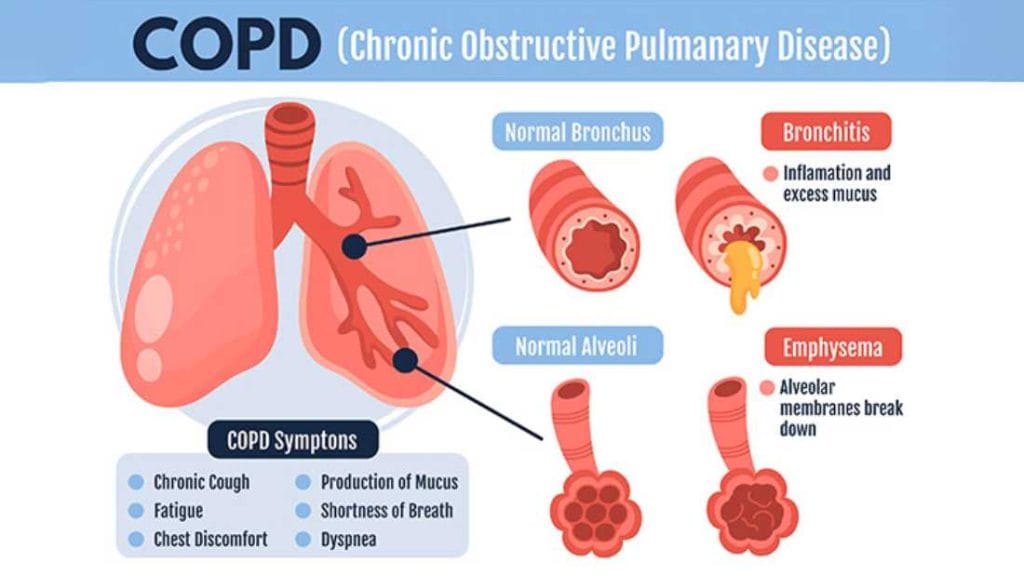
COPD usually involves two closely related problems: persistent airway inflammation and structural damage to the lungs.
1. Chronic Bronchitis
In chronic bronchitis, the bronchial tubes remain inflamed and irritated. The airway walls can become swollen and produce excess mucus, making it harder for air to move freely through the lungs. This contributes to coughing, mucus production, wheezing, and shortness of breath.
2. Emphysema
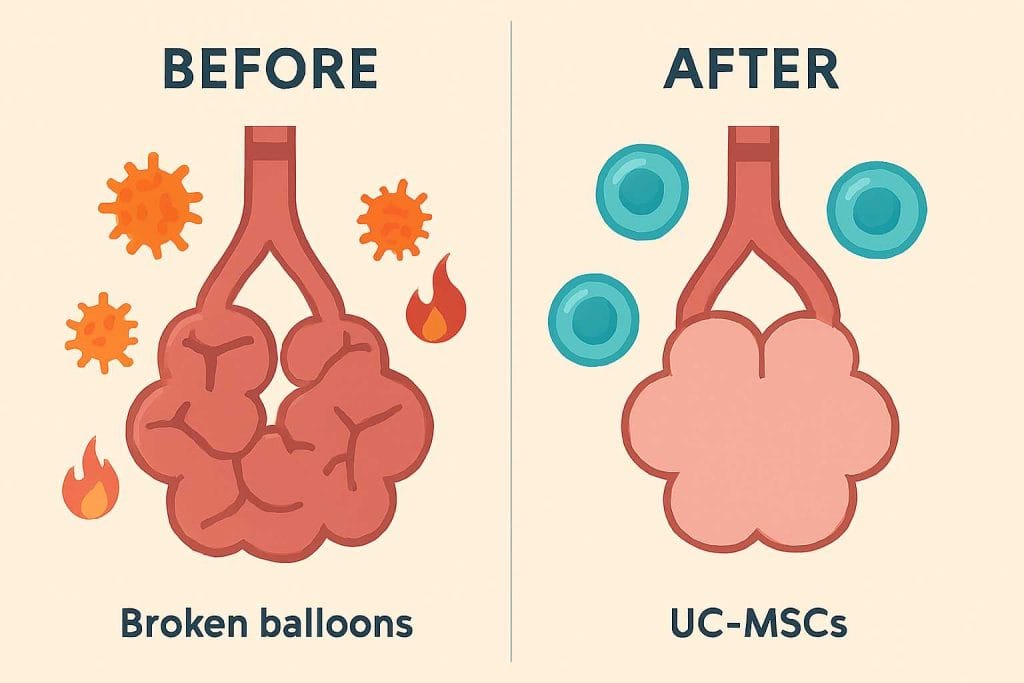
Emphysema affects the alveoli, the tiny air sacs where oxygen moves into the bloodstream.
Healthy alveoli are elastic and provide a large surface area for gas exchange. In emphysema, some of their walls are gradually destroyed. This reduces the surface available for oxygen exchange and can also cause air to become trapped inside the lungs.
Together, airway inflammation and loss of healthy alveolar structure contribute to the progressive breathing difficulties associated with COPD.
What Are Umbilical Cord-Derived Mesenchymal Stem Cells?
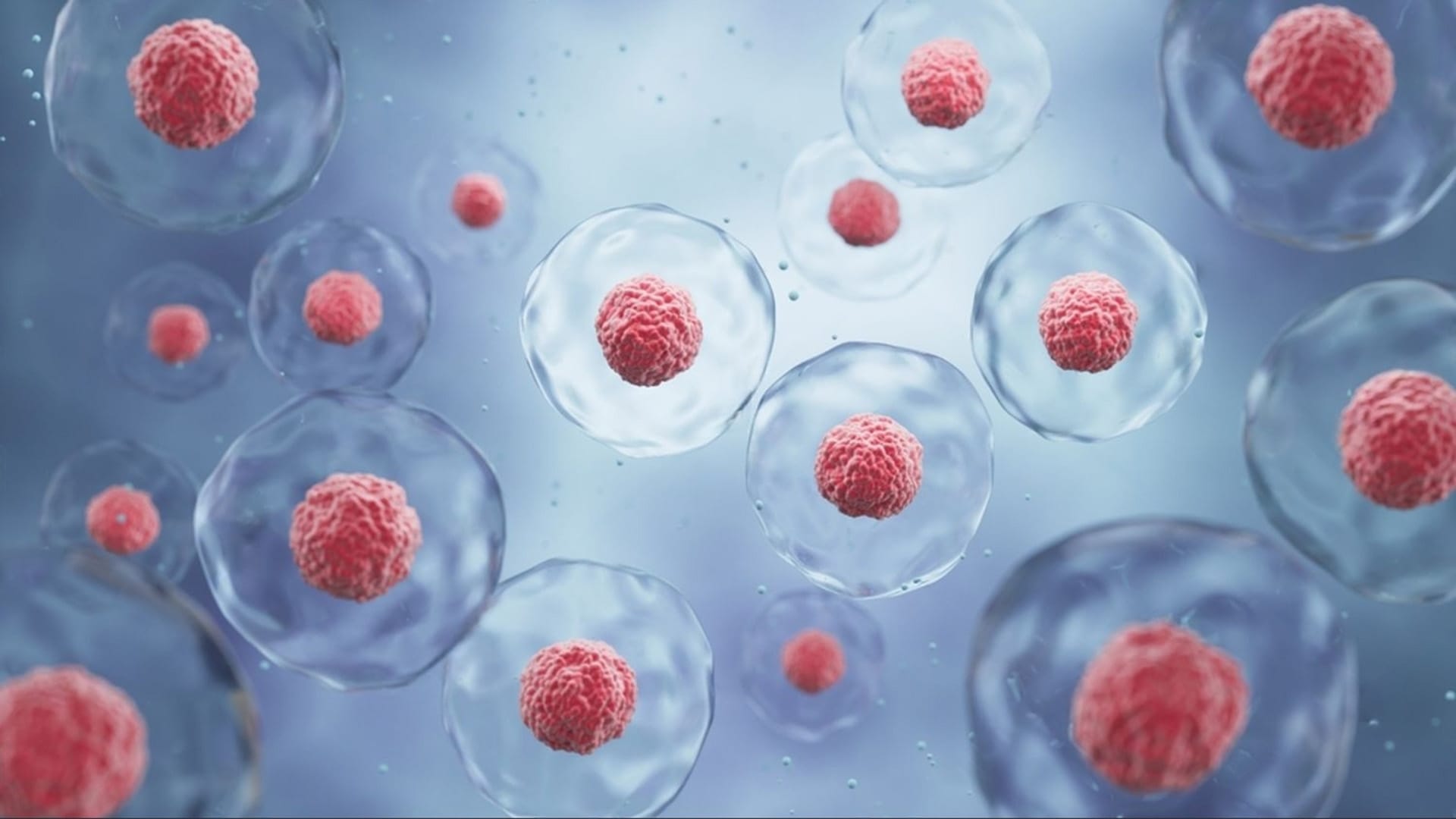
UC-MSCs are mesenchymal stromal cells obtained from tissue associated with the umbilical cord, particularly Wharton’s jelly. The tissue can be collected after birth following appropriate donor consent, screening, and processing.
Researchers are interested in UC-MSCs because they release a range of signalling molecules, including cytokines, growth factors, and extracellular vesicles. These substances can interact with immune cells and surrounding tissue.
Their potential role in COPD is therefore mainly connected with immune regulation, inflammation, and tissue support rather than directly replacing damaged lung tissue.
Umbilical cord tissue also provides relatively young cells that can be prepared from screened donors, making UC-MSCs useful for research into standardised allogeneic cell therapies.
How Could UC-MSCs Support the Lungs?
One of the main areas being studied is inflammation.
COPD is associated with persistent inflammatory activity in the airways and lung tissue. MSCs can release signals that influence several types of immune cells, and researchers are examining whether this could help reduce excessive inflammatory activity.
Another area is protection of existing lung cells. Laboratory studies suggest that MSC signalling may influence processes involved in cell survival, oxidative stress, and tissue repair. MSCs also release factors associated with blood vessel formation and communication between damaged and healthy cells.
Preclinical research has reported improvements in inflammation and lung tissue injury in animal models of COPD. These findings provide a biological reason to continue clinical research, but animal results cannot be assumed to produce the same effect in people.
Can UC-MSCs Repair Damaged Alveoli?
This is one of the most interesting questions in COPD research, but it also needs careful wording.
Researchers do not expect infused UC-MSCs to simply enter the lungs and turn into large amounts of new lung tissue. Much of their potential is linked to the substances they release and how these signals influence nearby cells.
This is often described as a paracrine effect.
Laboratory and animal research suggests that MSC-related signalling may support tissue repair, reduce cell death, and influence the environment surrounding damaged alveoli. However, current human evidence has not established that UC-MSC therapy can rebuild destroyed alveoli or reverse established emphysema.
The more realistic research question is whether MSC therapy can help protect remaining lung tissue, reduce harmful inflammation, or improve functional outcomes.
Why Do Researchers Use Intravenous MSCs?
Many COPD studies use intravenous infusion.
After MSCs enter the bloodstream, a significant proportion initially becomes lodged in the small blood vessels of the lungs. This phenomenon, sometimes called pulmonary first-pass or pulmonary trapping, has contributed to interest in intravenous MSC therapy for lung disease.
Researchers are studying whether this temporary presence in the lungs allows MSCs to release anti-inflammatory and tissue-supporting signals where they may be useful.
The ideal dose, number of treatments, and cell source have not yet been established.
What Have Human Studies Found?
Human studies have already evaluated MSC therapy in people with COPD.
A randomised, double-blind, placebo-controlled trial involving 62 people with moderate to severe COPD found that repeated intravenous MSC infusions were generally well tolerated, with no serious treatment-related safety concerns reported. However, the study did not find significant differences between MSC and placebo groups in lung function, COPD exacerbations, or overall quality-of-life measures. A reduction in the inflammatory marker CRP was observed in a subgroup with elevated CRP at the beginning of the study.
A later systematic review and meta-analysis covering 371 COPD patients found that stem cell-based treatments were associated with an improvement in 6-minute walking distance. There was also a trend towards improvement in FEV1, although it did not reach conventional statistical significance. Hospitalisation due to COPD exacerbations was not significantly reduced.
These findings are encouraging enough to support continued research, but they also show why larger, well-controlled trials remain important.
What Are Researchers Measuring?
COPD trials look at several outcomes because lung function alone does not tell the whole story.
FEV1 measures how much air a person can forcefully exhale in the first second of a breath and remains an important marker of airflow limitation.
The 6-minute walk test measures how far a patient can walk in six minutes and gives researchers a practical measure of exercise capacity and endurance.
Studies may also assess exacerbation frequency, hospitalisation, breathlessness, inflammatory biomarkers, oxygen requirements, and quality of life.
Together, these measurements help determine whether a biological change translates into something meaningful for patients.
Where Does Stem Cell Therapy for COPD Stand Today?
Stem cell therapy for COPD remains an active field of clinical research.
New studies continue to investigate MSC-based treatments, including trials evaluating allogeneic MSCs in people with moderate to severe COPD. Researchers are still working to determine the most appropriate patients, cell source, dose, delivery schedule, and long-term effects.
In the United States, the FDA states that regenerative medicine products, including stem cell products, are not currently approved to treat COPD or emphysema. Regulatory status can differ between countries, so patients should consider both the available clinical evidence and the rules that apply where treatment is offered.
This does not mean the research has reached a dead end. It means the field is still working through the questions required to determine how useful MSC therapy may become in COPD care.
How Could Stem Cell Research Fit With Current COPD Treatment?
Existing COPD treatment remains important.
Bronchodilators, inhaled medicines, smoking cessation, pulmonary rehabilitation, vaccination, oxygen therapy where appropriate, and management of exacerbations all have established roles in COPD care.
MSC research is examining additional biological pathways, particularly chronic inflammation, immune regulation, and protection of remaining lung tissue.
If future trials confirm meaningful benefits, regenerative therapies may eventually become one part of a broader COPD treatment plan rather than replacing established therapies.
For patients, useful outcomes could include better exercise tolerance, fewer symptoms, improved daily function, or slower loss of respiratory capacity.
A Developing Direction in Lung Regeneration
COPD has traditionally been difficult to treat because structural lung damage is hard to reverse.
UC-MSC research offers another way to study that problem. Instead of focusing only on opening narrowed airways, researchers are examining inflammation, immune signalling, cell survival, and the biological environment around damaged lung tissue.
Preclinical studies have produced encouraging findings, while human research has established a foundation for further investigation. The next step is determining which of these biological effects can produce consistent benefits that patients can feel in everyday life.
Conclusion & Responsible Next Steps

Anyone considering regenerative therapy for COPD should first have their diagnosis, lung function, disease severity, and current treatment reviewed carefully.
COPD can vary considerably between patients. FEV1, frequency of exacerbations, emphysema severity, smoking history, oxygen levels, and other medical conditions can all influence treatment decisions.
A specialist can review these factors and explain which established treatments remain appropriate, what regenerative options are being studied, and how strong the evidence is for each approach.
Ready to Explore Advanced Lung Therapies?
If you or a loved one is inspired by the potential of regenerative medicine for COPD, the most crucial next step is to consult with trusted medical specialists who are experts in this field.
Schedule a Specialist Consultation: Do not make a medical decision based on articles alone. Speak directly with our doctor to review your diagnosis, your current lung function (FEV1), and discuss your full range of options.