
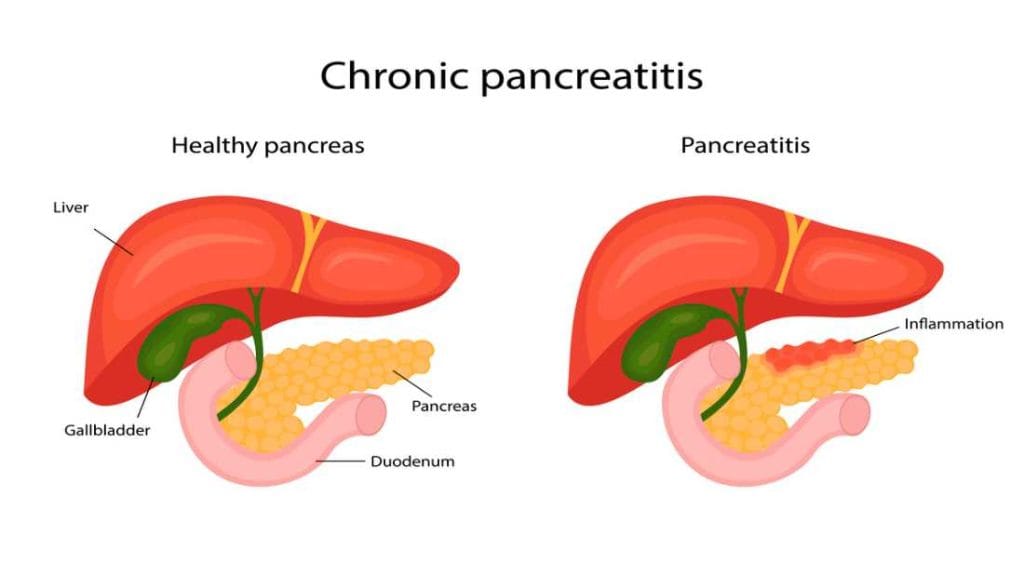
Chronic Pancreatitis (CP) is a long-term condition in which the pancreas becomes persistently inflamed and damaged. The pancreas plays an important role in digestion and blood sugar regulation, so ongoing damage can eventually affect both functions. Patients may experience severe abdominal pain, difficulty digesting food, and problems with blood sugar control, including diabetes.
Current treatment focuses mainly on controlling symptoms and supporting the functions that have been affected. This can include pain management and pancreatic enzyme replacement. These treatments can make a significant difference to daily life, but they do not directly repair the scarred pancreatic tissue.
This is one reason researchers are studying regenerative medicine for chronic pancreatitis. Umbilical Cord-Derived Mesenchymal Stem Cells (UC-MSCs) are being investigated for their potential to influence inflammation, fibrosis and the local environment surrounding damaged pancreatic cells.
Understanding the Damage Caused by Chronic Pancreatitis
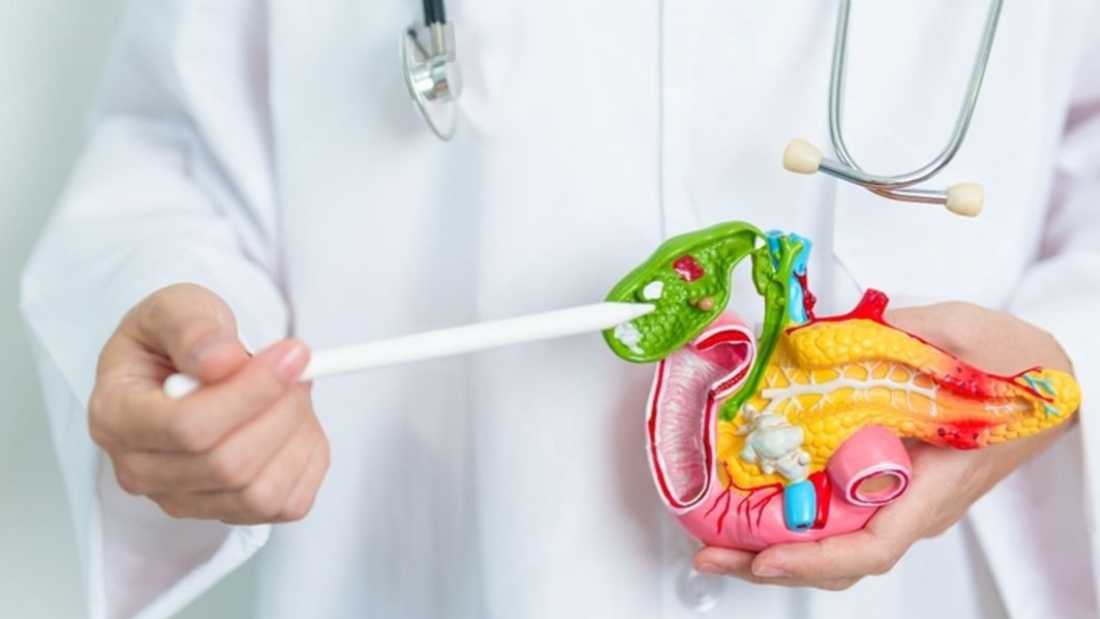
The pancreas has two major functions. It produces digestive enzymes that help break down food, and it produces hormones such as insulin that regulate blood sugar. Chronic inflammation can gradually interfere with both of these functions.
The disease involves a cycle of inflammation and tissue damage. Persistent inflammation can injure healthy pancreatic cells, while the body’s repeated attempts to repair the damage can lead to fibrosis, where normal pancreatic tissue is replaced by dense scar tissue.
This scarring is particularly important because scar tissue cannot perform the same functions as healthy pancreatic tissue. As fibrosis progresses, the pancreas may gradually lose some of its ability to produce digestive enzymes and insulin.
Why Are Umbilical Cord MSCs Being Studied?
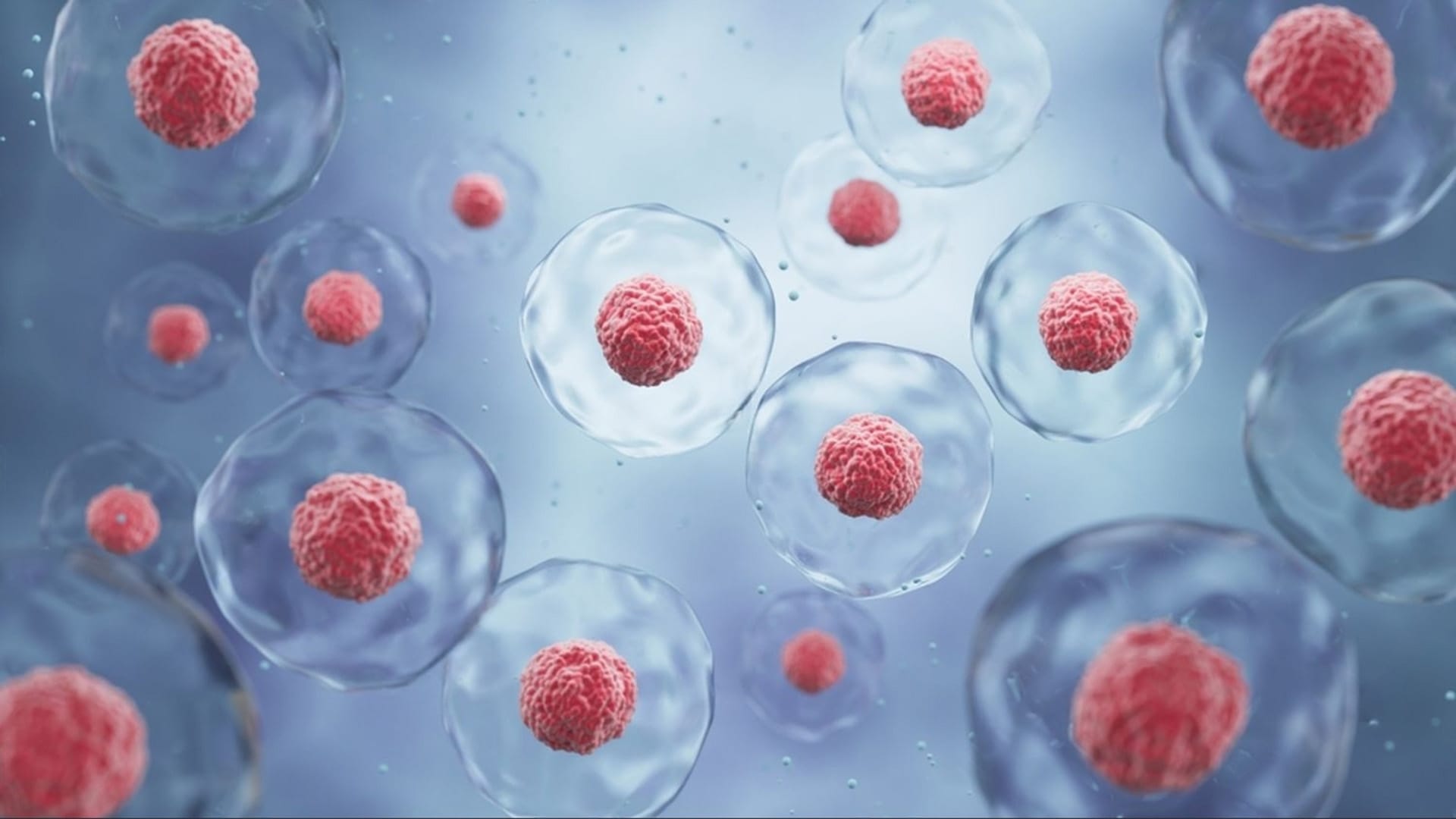
Mesenchymal Stem Cells, or MSCs, are being studied in regenerative medicine because of the biological signals they release and their ability to interact with immune cells and surrounding tissue.
UC-MSCs are obtained from umbilical cord tissue, commonly after birth through appropriate donor screening and consent. Researchers are particularly interested in these cells because they have strong signalling characteristics and can potentially be used as an allogeneic cell source.
For chronic pancreatitis, the potential benefit is not necessarily that the cells become new pancreatic cells. Much of the research focuses on how MSCs communicate with the body’s existing cells and influence the environment around damaged tissue.
How Could UC-MSCs Support the Pancreas?
Research is examining several possible mechanisms. Two of the most important areas are inflammation and fibrosis, while tissue repair provides another potential benefit.
Regulating inflammation and fibrosis
UC-MSCs can release signalling molecules that interact with the immune system. Researchers are studying whether these signals can help reduce excessive inflammatory activity in the pancreas and create a more balanced environment around healthy pancreatic cells.
MSCs are also being investigated for their effects on cells involved in fibrosis, including myofibroblasts. The aim is to understand whether these interactions can reduce the processes responsible for continued scar formation and potentially support healthier pancreatic tissue.
Supporting the pancreas’s natural repair processes
UC-MSCs can produce growth factors and other signals associated with cell survival, tissue repair and blood-vessel formation. Researchers are studying whether these effects can help protect pancreatic cells that are still functioning and create a more supportive environment for tissue recovery.
The goal is therefore broader than replacing damaged cells. Researchers are exploring whether MSCs can help the pancreas maintain the healthy tissue that remains while reducing some of the biological processes that contribute to further damage.
What Does the Research Show?
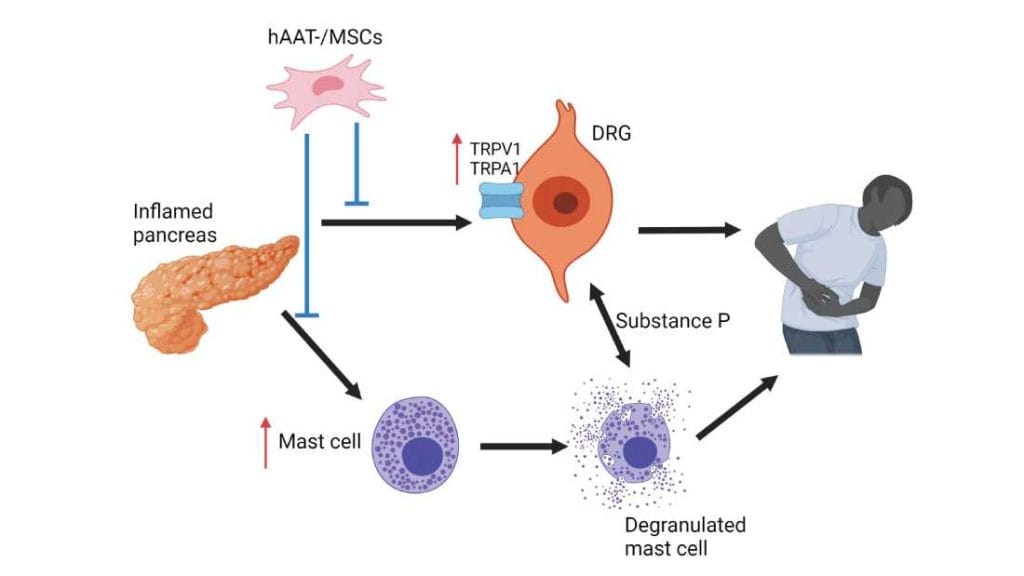
Much of the evidence for UC-MSC therapy in chronic pancreatitis comes from preclinical research. Animal studies have reported reductions in inflammation and fibrosis, along with signs of better preservation of pancreatic cells involved in digestion and insulin production.
Human research has also begun. Early clinical studies have focused on the safety and feasibility of administering UC-MSCs, as well as potential changes in symptoms and pancreatic function. Some early findings have been encouraging, particularly regarding chronic pain, which is one of the most difficult symptoms for many patients with chronic pancreatitis.
These findings provide a reason to continue clinical research. At the same time, larger and longer-term studies are needed to determine how consistently the therapy can influence pancreatic inflammation, fibrosis, pain and pancreatic function.
Where Does Stem Cell Therapy for Chronic Pancreatitis Stand Today?
Stem cell therapy for chronic pancreatitis is an active area of regenerative medicine research. Early human studies have provided useful information about safety, feasibility and potential biological effects, while preclinical research continues to investigate how MSCs may influence inflammation and fibrosis.
The therapy is still being studied, so it should not be presented as an established cure or as a guaranteed way to reverse pancreatic damage. The most important questions now involve patient selection, dosage, treatment protocols, long-term safety and whether the biological effects seen in research can translate into meaningful and lasting improvements for patients.
For people living with chronic pancreatitis, this research offers a new area of hope. A treatment that could help control inflammation, protect remaining pancreatic tissue and support the body’s own repair processes could have important implications for long-term disease management.
A New Direction in Pancreatic Regenerative Medicine
Chronic pancreatitis can gradually affect both the structure and function of the pancreas. Managing pain and replacing lost pancreatic functions remain important parts of care, while regenerative medicine is exploring ways to address the underlying tissue damage.
UC-MSC research is particularly focused on the relationship between inflammation, fibrosis and tissue repair. Early findings have encouraged researchers to continue investigating whether these cells can help preserve pancreatic function and improve outcomes for patients with chronic disease.
The field is still developing, but the direction of research is clear. Scientists are looking beyond symptom management and studying how the biological environment of the damaged pancreas might be influenced to support healthier tissue.
Considering Regenerative Therapy for Chronic Pancreatitis
Anyone considering stem cell therapy should first have their diagnosis, pancreatic function, underlying cause of chronic pancreatitis, current symptoms and existing treatment reviewed by a qualified specialist.
Chronic pancreatitis can vary significantly from one patient to another. A specialist can explain the established treatment options and discuss whether regenerative approaches being studied for pancreatic disease may be relevant to the individual’s condition.
Ready to Explore Advanced Treatment Options?
If you or a loved one is inspired by the potential of regenerative medicine for Chronic Pancreatitis, the most crucial next step is to partner with trusted, specialized medical experts who are actively involved in this field.
Schedule a Specialist Consultation: Do not make a medical decision based on articles alone. Speak directly with a certified specialist to review your diagnosis and discuss whether you are a suitable candidate for emerging therapies or current standard treatments.