
Asthma is a chronic respiratory condition that causes inflammation and narrowing of the airways. For many people, inhalers and other medicines provide effective control, but some patients continue to experience symptoms despite regular treatment.
This is one reason researchers are studying regenerative approaches such as Mesenchymal Stem Cells, including Umbilical Cord-Derived Mesenchymal Stem Cells or UC-MSCs.
UC-MSC research focuses mainly on their anti-inflammatory and immunomodulatory properties. Rather than acting like a conventional asthma medicine that opens the airways, these cells are being studied for the biological signals they release and how those signals may influence inflammation, immune activity and damaged airway tissue.
What Happens in the Airways During Asthma?
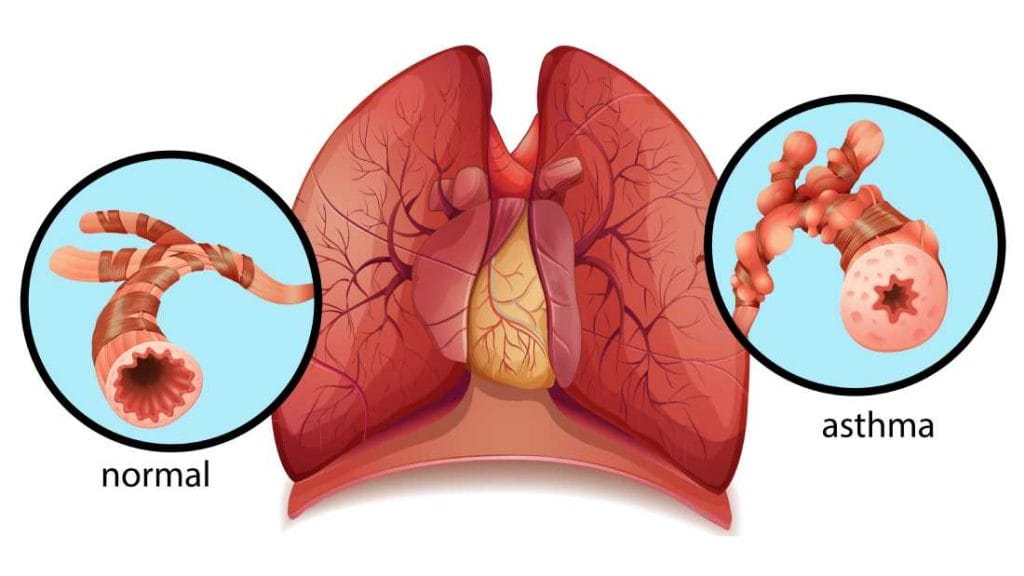
Asthma involves ongoing inflammation inside the airways. During an asthma flare, the muscles surrounding the airways can tighten, the airway lining can become more swollen, and mucus production can increase. Together, these changes make it harder for air to move in and out of the lungs.
Another important process is airway hyperresponsiveness. This means the airways can react strongly to triggers such as allergens, smoke, exercise, cold air or respiratory infections.
When inflammation continues over many years, some patients can also develop airway remodelling. The walls of the airways may become thicker and undergo structural changes. This can contribute to persistent airflow limitation in some people with long-standing asthma.
Because inflammation and immune activity play such an important role in asthma, researchers are studying therapies that may influence these processes more directly.
What Are Umbilical Cord-Derived Mesenchymal Stem Cells?
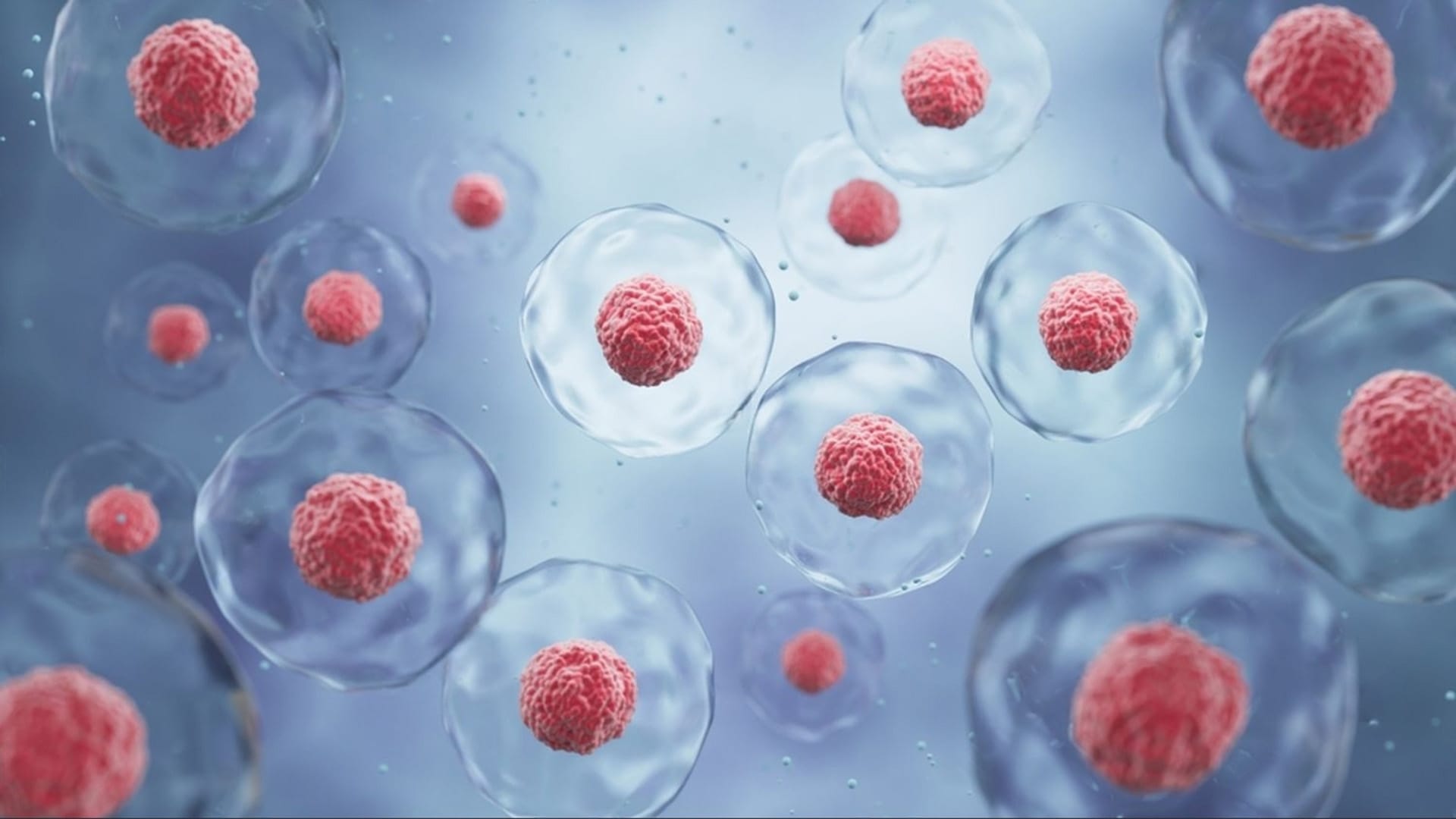
UC-MSCs are mesenchymal stromal cells obtained from tissue associated with the umbilical cord, commonly Wharton’s jelly. The tissue can be collected after birth following appropriate donor consent, screening and processing.
Researchers are interested in UC-MSCs because they release cytokines, growth factors, extracellular vesicles and other signalling molecules. These substances can communicate with immune cells and surrounding tissues.
Their potential role in asthma is therefore largely connected with immune regulation and inflammation rather than replacing lung tissue.
Umbilical cord tissue also provides relatively young cells that can be prepared from screened donors. This makes UC-MSCs useful for studying standardised allogeneic cell preparations.
How Could UC-MSCs Help in Asthma?
One of the main areas being studied is immunomodulation.
Asthma often involves an exaggerated immune response. In allergic asthma, for example, immune pathways can react strongly to substances that would normally be harmless. MSCs can release signals that influence several types of immune cells and inflammatory pathways.
Researchers are studying whether these effects could help reduce excessive inflammation in the airways and create a more balanced immune response.
Another area is tissue support. MSCs release growth factors and extracellular vesicles that may influence damaged airway cells and the processes involved in repair.
Preclinical studies have also investigated whether MSCs or MSC-derived products could affect airway remodelling. Results from laboratory and animal studies are encouraging, but evidence that UC-MSCs can reverse established airway remodelling in people with asthma has not yet been established.
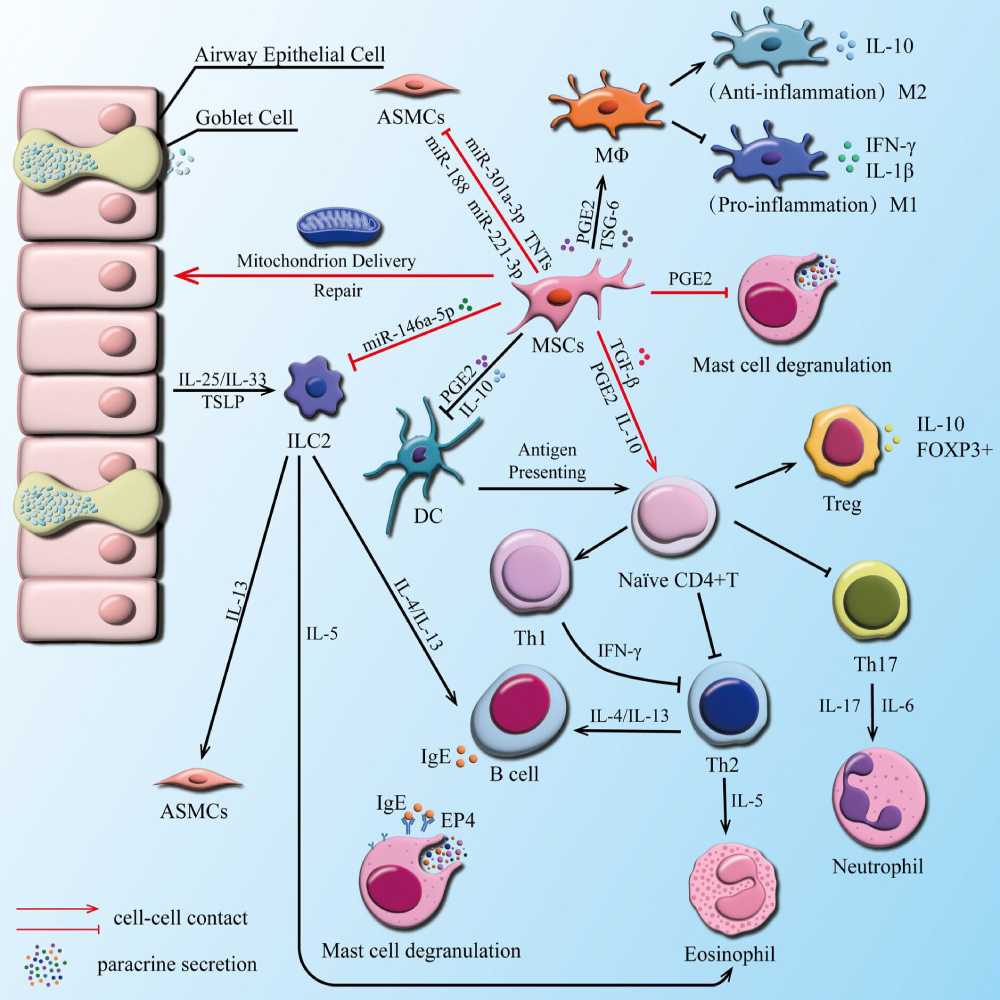
Why UC-MSCs Are Interesting for Asthma Research
Human research into MSC therapy for asthma is still at an early stage.
Phase I clinical studies have evaluated intravenous MSCs in people with asthma, with safety and tolerability as primary objectives. Researchers also monitor lung function, symptoms and other clinical measures to look for early signs of activity.
One small published case report from a Phase I study described a patient who experienced a substantial reduction in rescue inhaler and nebuliser use after receiving intravenous umbilical cord-derived MSCs. This is an interesting observation, but a single patient cannot establish whether the treatment is effective for the wider asthma population.
Other clinical research is continuing, including studies evaluating cord tissue-derived MSCs in moderate-to-severe persistent asthma. These trials are helping researchers understand dosing, safety and how the immune system responds to treatment.
The current human evidence is therefore promising enough to support further study, but still limited compared with the large body of preclinical research.
Where Does Stem Cell Therapy for Asthma Stand Today?
Stem cell therapy for asthma remains an active area of clinical research.
Researchers are trying to determine which patients may benefit most, which cell preparation should be used, the appropriate dose, how treatment should be delivered and whether any effects can be maintained over time.
Current asthma medicines remain central to treatment and should not be stopped or replaced without medical guidance. MSC research is exploring an additional biological approach that could eventually complement established asthma care.
For people with difficult-to-control asthma, this field is particularly relevant because researchers are examining ways to influence the inflammatory and immune processes that contribute to persistent disease.
A Developing Direction in Respiratory Medicine
UC-MSC research has opened another way of studying chronic airway disease.
The most interesting potential lies in immune regulation, control of inflammation and support for damaged airway tissue. These effects have been demonstrated more clearly in laboratory and animal research, while human trials are now working to establish how much of that potential can translate into meaningful clinical benefit.
For patients, meaningful progress could include better symptom control, fewer exacerbations, improved lung function or reduced dependence on rescue medication. These are the types of outcomes future clinical studies need to confirm.
Considering Regenerative Therapy for Asthma
If you are interested in learning more about the latest advancements in regenerative medicine and how these therapies are being developed, we invite you to contact us to schedule a consultation with our qualified medical experts.